
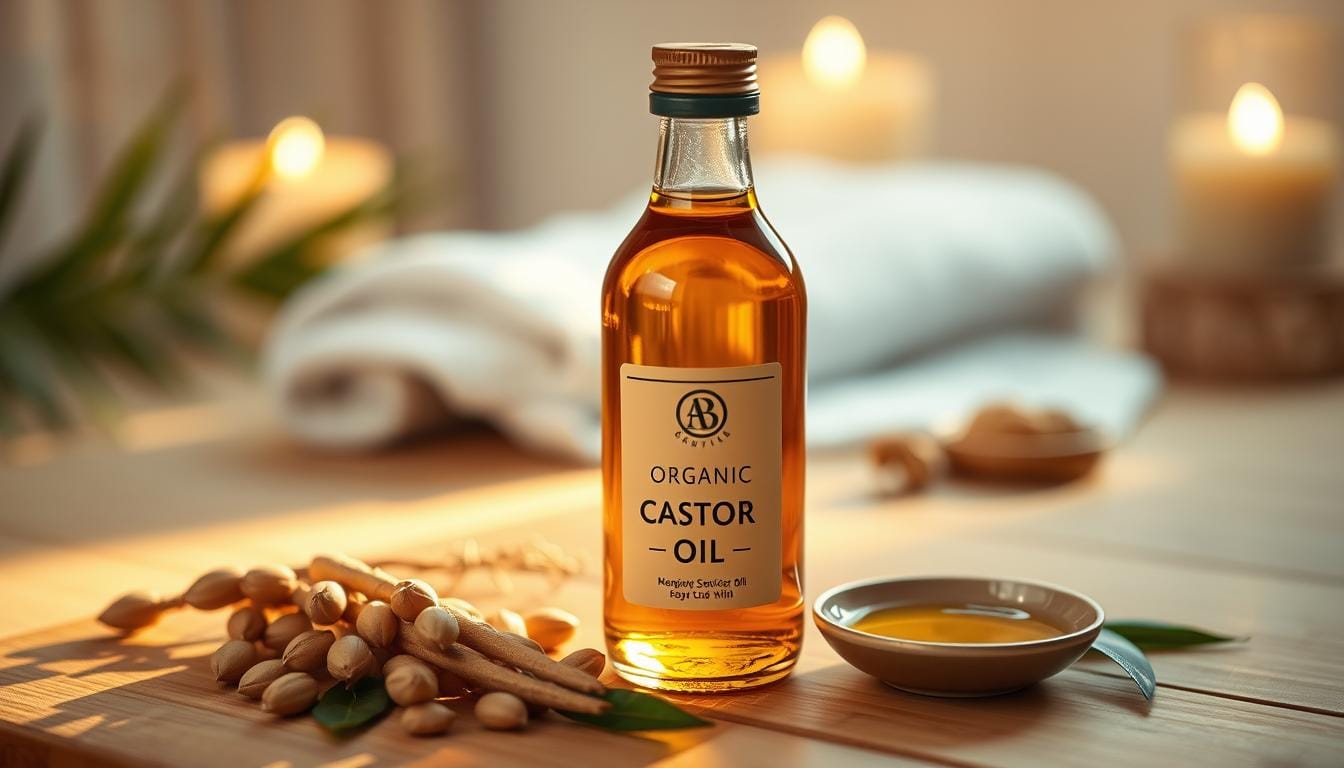
This Organic Castor Oil Trick Transforms
Do you spend a lot on expensive creams and serums? A simple organic castor oil routine might be what you need. It deeply hydrates your face while you sleep.
Imagine waking up with a soft, radiant glow every morning. An overnight treatment allows nutrients to penetrate your pores deeply. It works with your body’s natural repair cycle to refresh your skin.
It’s important to find pure, cold-pressed organic castor oil for the best results. Many in the U.S. are choosing this method to avoid harsh chemicals. It’s a cost-effective way to get smooth, healthy skin without complicated steps.
Applying this thick extract is easy and quick before bed. You’ll see dry patches disappear after just one use. It acts as a powerful barrier, locking in moisture for hours.
Key Takeaways
- Deeply moisturizes dry skin and prevents water loss.
- Promotes a natural glow by using rich fatty acids.
- Works efficiently during the body’s nighttime repair phase.
- Provides a budget-friendly alternative to luxury beauty brands.
- Softens fine lines and improves overall skin texture.
- Simple to incorporate into any existing beauty routine.
Understanding the Science Behind Organic Castor Oil
To fully appreciate organic castor oil’s benefits, it’s key to understand its science. It’s not just a natural remedy. It’s a complex mix of compounds that work together to offer many skin benefits.
The Composition of Ricinoleic Acid
Ricinoleic acid is a major part of castor oil, making up about 90%. This acid is behind the oil’s healing powers, like its ability to reduce inflammation and fight off germs. Its unique makeup helps the oil soothe and protect the skin well.
Ricinoleic acid interacts with the skin in important ways. It:
| Property | Description | Benefit |
|---|---|---|
| Anti-inflammatory | Reduces inflammation and swelling | Soothes irritated skin and reduces redness |
| Antimicrobial | Fights against bacteria and fungi | Protects the skin from infections |
| Moisturizing | Hydrates and nourishes the skin | Improves skin elasticity and texture |
How Castor Oil Penetrates the Skin Barrier
Castor oil’s ability to get through the skin barrier is key to its success. The ricinoleic acid in it makes the skin more open, letting the oil deeply nourish and moisturize. This deep penetration is essential for delivering the oil’s benefits where they’re most needed.
Why Cold-Pressed and Hexane-Free Matters
When picking a castor oil for your skin, choose one that’s cold-pressed and hexane-free. Cold-pressing extracts the oil without heat, keeping its natural goodness intact. Being hexane-free means the oil wasn’t made with harmful chemicals.
Opting for cold-pressed and hexane-free castor oil means you get a top-quality product. It’s safe for your skin and packed with natural benefits.
Preparing Your Skin for the Overnight Treatment
Getting your skin ready is key for castor oil to work well. You need to clean, pick the right cleanser, and exfoliate to get rid of dead skin.
The Importance of a Clean Canvas
Cleaning your face is the first step for any skincare routine, especially with castor oil. Dirt, makeup, and other stuff can block pores and stop the oil from getting deep into your skin. Use a gentle cleanser that gets rid of dirt but keeps your skin’s natural oils.
Choosing the Right Cleanser for Your Skin Type
It’s important to pick a cleanser that matches your skin type. If you have dry or sensitive skin, go for a creamy or oil-based cleanser. For oily skin, a gel or foam cleanser helps control oil. If you have combination skin, a gentle, non-comedogenic cleanser is best.
| Skin Type | Recommended Cleanser Type | Key Ingredients to Look For |
|---|---|---|
| Dry/Sensitive | Creamy or Oil-Based | Glycerin, Olive Oil |
| Oily | Gel or Foam | Salicylic Acid, Tea Tree Oil |
| Combination | Gentle, Non-Comedogenic | Green Tea, Aloe Vera |
Exfoliation Techniques to Enhance Absorption
Exfoliating gets rid of dead skin cells, letting castor oil work better. You can use a chemical exfoliant with alpha-hydroxy acids (AHAs) or beta-hydroxy acids (BHAs), or a physical exfoliant like a gentle scrub or a konjac sponge. Be careful not to exfoliate too much, as it can irritate your skin.
By following these steps, you can make sure your skin is ready for the castor oil treatment. This will help you get healthier, more radiant skin.
The Overnight Castor Oil Application Method
To get the most from organic castor oil for your skin, you need to know how to apply it right. This means following a few important steps. These steps help you use this natural remedy to its fullest.
Measuring the Correct Amount for Your Face
When using castor oil on your face, a little goes a long way. Begin with a small amount, like a quarter teaspoon. Warm it up between your fingers before applying. This makes it easier to spread evenly over your face.
Applying the Oil Using Gentle Massage Techniques
Massaging the oil into your skin helps it absorb better and boosts blood flow. Use gentle, upward strokes to massage it into your face. Focus on areas you’re concerned about. This method not only helps with absorption but also relaxes facial muscles.
Targeting Problem Areas and Fine Lines
For specific issues like fine lines or acne scars, apply a bit more oil. Use gentle, circular motions on these areas. This focused approach can enhance the benefits of castor oil for your skin.
| Step | Description | Tips |
|---|---|---|
| 1 | Measure the correct amount | Start with a quarter teaspoon |
| 2 | Warm the oil between fingertips | Enhances spreadability |
| 3 | Massage gently into the skin | Use upward strokes |
| 4 | Target problem areas | Use circular motions for fine lines and scars |
Maximizing Results with Occlusive Layering
Occlusive layering is a game-changer for castor oil on your skin. It involves applying a layer to stop the oil from evaporating or being absorbed too fast. This lets it work its magic for longer.
Understanding the Role of Occlusives
Occlusives create a physical barrier on the skin’s surface. They are key in locking in moisture and active ingredients, like castor oil. By stopping moisture loss, occlusives keep the skin’s natural barrier function intact.
Key benefits of using occlusives include: better hydration, improved skin elasticity, and less fine lines and wrinkles.
Combining Castor Oil with Other Natural Carriers
To boost castor oil’s benefits, mix it with other natural carriers. Good choices are coconut oil, shea butter, and beeswax. These ingredients enhance castor oil’s effects and make your skincare routine more luxurious.
Protecting Your Pillowcases and Bedding
Using castor oil overnight can stain pillowcases and bedding. To prevent this, use a silk or satin pillowcase. These materials don’t absorb oil as much. Or, place a towel or old t-shirt on your pillow for protection.
With these simple steps, you can enjoy castor oil’s benefits without worrying about oil stains on your bedding.
Addressing Specific Skin Concerns with Castor Oil
Castor oil is great for many skin problems, like dryness and inflammation. It can help with specific issues that bother you.
It has ricinoleic acid, which fights inflammation. This makes it perfect for many skin problems.
Soothing Dry and Flaky Patches
Dry, flaky skin is uncomfortable and looks bad. Castor oil moisturizes well. Using a castor oil pack on dry spots can keep moisture in and make skin healthier. Just put a lot of castor oil on the area, cover with a warm cloth, and leave it on all night.
Managing Occasional Breakouts and Inflammation
Castor oil also helps with breakouts because it reduces inflammation. Less inflammation means less chance of acne getting worse. Putting castor oil on breakouts can lessen redness and swelling.
“Castor oil has been used for centuries for its medicinal properties, including its ability to reduce inflammation and fight off bacteria.”
Improving Skin Elasticity and Texture
As we get older, our skin gets less elastic and less radiant. Castor oil can help with this. Its nourishing qualities make skin softer and more vibrant with regular use.
Adding castor oil to your skincare can solve many problems. It’s good for dryness, breakouts, and skin that’s lost its elasticity. Castor oil is a great addition to your skincare routine.
Safety Precautions and Patch Testing
Using organic castor oil for skincare is safe for most people. But, everyone’s skin reacts differently. It’s important to do a patch test.
Identifying Potential Allergic Reactions
Allergic reactions to castor oil are rare but can happen. You might see redness, itching, swelling, or blisters. Watch your skin closely when you first start using it. Stop right away if you notice any bad reactions.

How to Perform a Proper Patch Test
Doing a patch test is easy and helps avoid skin problems. Put a small amount of castor oil on a hidden spot, like behind your ear or on your wrist. Wait 24 hours to see if there’s a bad reaction. If your skin looks fine, it’s probably okay to use on your face.
When to Avoid Using Castor Oil on Your Face
Don’t use castor oil on your face in some cases. Stay away if you have open wounds, severe acne, or conditions like rosacea or eczema. Be careful with castor oil if you have these issues to avoid making things worse.
Integrating Castor Oil into Your Long-Term Skincare Routine
To get the most from organic castor oil, add it to your skincare routine. Being consistent is crucial for healthy, glowing skin. Knowing how to use castor oil daily will help you enjoy a brighter complexion over time.
Frequency of Use for Optimal Skin Health
How often to use castor oil depends on your skin type and needs. For most, using it 2-3 times a week is enough to see improvements. But, if your skin is dry or sensitive, start with once a week and increase as needed.
Always listen to your skin. If you experience irritation or breakouts, use it less or stop for a while.
Balancing Castor Oil with Other Active Ingredients
To maximize castor oil’s benefits, pair it with other skincare ingredients. Using castor oil with natural ingredients like coconut oil or essential oils can boost its effects. But, don’t overdo it to avoid skin irritation.
Start with a few products and add more slowly. Watch how your skin reacts to each new addition.
Monitoring Your Skin Progress Over Time
It’s important to track your skin’s changes when using castor oil. Keep a skincare journal or take photos regularly. This helps you see what works and what doesn’t, so you can adjust your routine.
Remember, it may take weeks or months to see big improvements. Stick with it and you’ll reach your skincare goals.
Common Mistakes to Avoid During Your Skincare Journey
Starting your skincare journey? Be careful of common mistakes that can slow you down. Knowing what to avoid can help you reach your skincare goals faster.
Using Low-Quality or Refined Oils
Choosing high-quality, organic oils is key for good skincare. Refined oils, which lose nutrients during processing, might not work as well.
Go for cold-pressed, hexane-free oils for the best results. For example, cold-pressed, hexane-free castor oil works better on your skin.
Always check the label for quality certifications. This simple step helps avoid skin problems and ensures you’re using the best ingredients.
Over-Applying and Clogging Pores
It’s tempting to use more products for faster results. But, too much can clog pores, especially with oils like castor oil.
Use just a few drops and massage it gently into your skin. This avoids clogged pores and helps the oil absorb better.

Ignoring the Importance of Daytime Sun Protection
Daytime sun protection is vital for your skincare. Skipping it can cause early aging and undo your nighttime skincare work.
As a skincare expert once said,
“The skin is like a bank account; what you put in during the day determines what you get out at night.”
Protecting your skin during the day is essential.
Use a broad-spectrum sunscreen with at least SPF 30 every day, even on cloudy days. This keeps your skin safe from UV damage and boosts your skincare routine’s effectiveness.
Conclusion
Now you know how great castor oil is for your skin. It helps with dry patches, breakouts, and makes your skin more elastic. This natural oil is really good for you.
To get the most out of it, apply it right, be patient, and mix it with other natural oils. Using castor oil at night can make your skin look better in the morning.
Using castor oil in your skincare routine is good for your skin and the planet. It’s a natural way to get healthy, glowing skin. Try using organic castor oil tonight and see the difference.