
Discover the Top Herbs for Lung Health and Clearer Breathing
Your respiratory system works hard every day to give your body oxygen. Keeping your airways clear is key to your health. Yet, many ignore simple ways to help this.
By taking a proactive step, you can greatly improve your comfort and energy. This is a smart move for your well-being.
Nature has many plants that help keep your airways open and strong. Adding these natural helpers to your daily routine is a smart way to protect your respiratory system from harm. You should feel your best, and these plants can help you get there gently.
In this guide, we look at how certain plants can be powerful tools for your health. You’ll discover the best options to help you breathe better. Let’s see how these natural gifts can help you keep your strong and efficient respiratory system healthy starting now.
Introduction to Lung Health and Herbs
Your lungs are key for oxygen to get into your body. They help you breathe and keep you going every day. Taking care of your lungs is vital for your health.
Since your lungs face many pollutants and allergens, they need constant care. Using top herbs for lung health can help keep your airways clean and working well.
Importance of Lung Health
Good lung health means your body gets the oxygen it needs. This boosts your energy and helps your immune system. Healthy lungs mean you can do more and feel better.
Ignoring your lungs can make you tired and lower your quality of life. Using natural remedies for respiratory health helps keep you well before problems start.
How Herbs Support Respiratory Function
Herbs from nature can help protect your airways. Many herbs for lung function have special compounds. These help calm irritated tissues and clear out mucus.
These plants can act as natural helpers to keep your airways open. Adding them to your daily routine supports your lungs’ health.
| Herbal Mechanism | Primary Benefit | Target Area |
|---|---|---|
| Expectorant | Clears excess mucus | Bronchial passages |
| Anti-inflammatory | Reduces swelling | Airway lining |
| Antimicrobial | Fights pathogens | Respiratory tract |
| Antispasmodic | Relaxes muscles | Chest cavity |
Common Respiratory Issues
Understanding your respiratory health starts with recognizing the subtle signals your body sends when it struggles to breathe. Your lungs work tirelessly every day, but sometimes they require extra support to function at their best. By paying attention to these cues, you can explore natural remedies for respiratory health before minor issues escalate.
Signs of Poor Lung Health
A persistent, nagging cough is a common indicator of lung distress. You might also notice a feeling of tightness in your chest or an unusual shortness of breath during light physical activity. These symptoms often suggest that your airways are inflamed or obstructed.
Another sign to watch for is increased mucus production or a change in the color of your phlegm. If you find yourself wheezing or feeling fatigued after simple tasks, your respiratory system may be signaling a need for care. Recognizing these early warning signs is essential for maintaining long-term wellness.
Conditions That Affect Breathing
Various environmental and health factors can impact how well you breathe on a daily basis. Chronic conditions like asthma or bronchitis often cause inflammation that narrows the airways, making it harder for oxygen to reach your blood. Exposure to pollutants, smoke, or seasonal allergens can also trigger significant respiratory discomfort.
Many individuals turn to powerful herbs for respiratory health to help manage these challenges and soothe irritated tissues. Whether you are dealing with seasonal congestion or chronic sensitivity, understanding the root cause of your breathing issues is vital. Taking a proactive approach allows you to support your lungs effectively and improve your overall quality of life.
Thyme: A Powerful Herbal Ally
Did you know the thyme in your spice rack can help your lungs? It’s a top best herb for lung support thanks to its long history in medicine. It’s a simple way to keep your lungs healthy at home.
Benefits of Thyme for Lung Health
Thyme’s secret is its chemical compounds, especially thymol. This oil relaxes airway muscles. It makes breathing easier and more comfortable.
Thyme also helps clear congestion. It thins mucus, helping your body get rid of it. This makes it a key herbs for lung function choice for when you’re congested.
How to Use Thyme in Your Routine
Adding thyme to your daily life is simple and fun. Start with thyme tea. Use dried or fresh leaves in hot water for a few minutes to release oils.
Try steam inhalation too. Put fresh thyme in steaming water and breathe in. You can also add it to soups and stews. It’s a tasty way to support your herbs for lung function goals.
Peppermint: Freshness for Your Airways
Peppermint is a top choice for best herbs for lung support. It’s known for its cooling effects that calm irritated tissues. Adding peppermint to your routine can bring natural relief when breathing is hard.
Menthol’s Role in Respiratory Relief
Menthol is the key to peppermint’s power. It’s a natural decongestant that breaks up mucus. It cools your airways, making breathing feel easier.
Menthol also relaxes your respiratory muscles. This can lessen coughing and ease tightness in your chest. It’s a natural way to handle minor breathing issues.
Ways to Incorporate Peppermint
Peppermint is easy to add to your day. A favorite method is steam inhalation. Just add peppermint oil to hot water, then breathe in the vapors for a few minutes.
For a milder option, try peppermint tea. Drinking warm peppermint tea hydrates you and soothes your system. As a best herb for lung support, peppermint is both versatile and easy to use.
Mullein: Traditional Wisdom for Modern Health
Learn how this golden-flowered plant is a top herbal lung tonic today. For ages, people have used it for best herbs for lung support. It helps keep breathing clear and easy.
Mullein’s Anti-Inflammatory Properties
Mullein is known for soothing irritated bronchial passages. Its natural compounds reduce inflammation. This makes it a key part of herbal lung tonics in wellness.
This herb calms your respiratory system, making breathing easier. It’s a gentle but strong helper for those with seasonal or environmental issues.
Preparing Mullein Tea for Lung Health
Make a traditional tea at home to enjoy these benefits. Start with one to two teaspoons of dried mullein leaves or flowers in a tea infuser.
Pour eight ounces of boiling water over the herbs and steep for at least ten minutes. Strain the tea through a fine cloth to avoid irritating your throat with the tiny hairs on the leaves.
Drink this warm tea daily for better respiratory health. This simple act connects ancient wisdom with your modern health needs.
Oregano: More Than a Culinary Herb
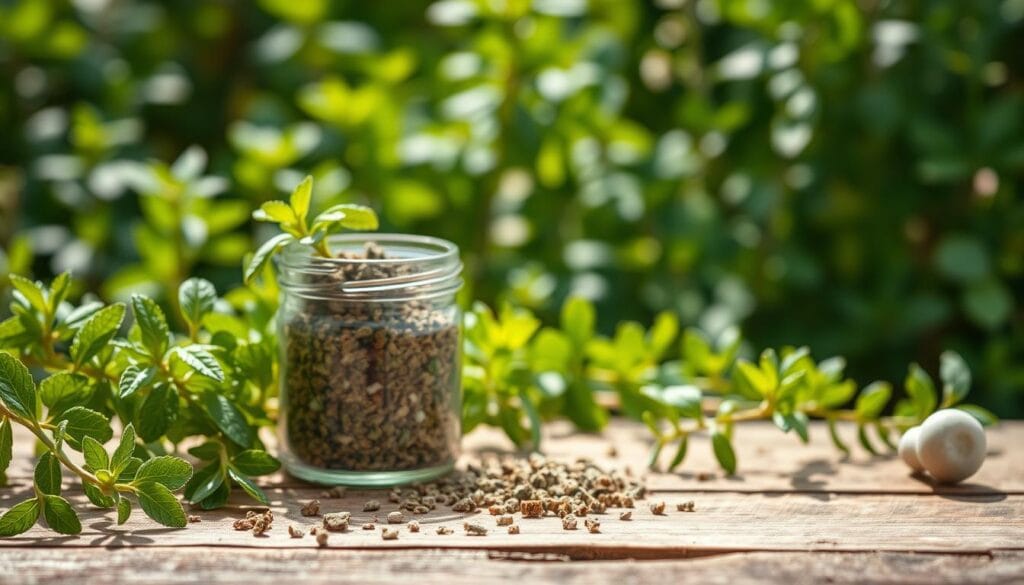
Oregano is more than just a spice. It’s a strong ally for keeping your airways clear and healthy. Known for its use in Italian cooking, it’s also a top powerful herb for respiratory health. Its special mix of chemicals protects you from daily air pollutants.
Antimicrobial Benefits for Lungs
Oregano’s power comes from carvacrol and thymol. These fight off bacteria and fungi. Adding it to your routine helps keep your lungs healthy.
“Nature provides the most potent remedies for our well-being, and the concentrated essence of herbs often holds the key to respiratory resilience.”
Using Oregano Oil Safely
Oregano oil is very strong. You should never take it straight. It can hurt your throat and stomach. Always mix it with a carrier oil or liquid first.
Start with a tiny amount if you’re new to it. Talk to a doctor, especially if you’re taking other herbal supplements for healthy lungs. Used right, oregano is a top powerful herb for respiratory health.
Eucalyptus: Nature’s Vapor Rub
Looking for herbal supplements for healthy lungs? Eucalyptus is a top pick. Known as nature’s vapor rub, it offers a refreshing and cooling effect. It’s great for keeping your breathing clear and comfortable all year.
Many use eucalyptus oil in their wellness routines. It’s part of their herbal lung tonics. Using high-quality, pure essential oils is key to getting the most benefits. It’s important to use it right to help your lungs.
How Eucalyptus Clears Airways
Eucalyptus contains cineole, which gives it a sharp scent. When you breathe it in, it soothes your respiratory tract. This makes breathing easier and deeper.
Eucalyptus also acts as a natural decongestant. It breaks down mucus, helping you clear your airways better. It’s a great addition to your herbal supplements for healthy lungs.
Methods for Using Eucalyptus Oil
There are several ways to enjoy eucalyptus oil safely and easily. Using a diffuser is popular. It fills your space with its aroma, helping you relax or work better.
You can also apply it topically, but make sure to dilute it with a carrier oil first. Always test it on your skin before using it on your chest or neck. Adding these herbal lung tonics to your daily routine can really help your breathing.
| Method | Primary Benefit | Best For |
|---|---|---|
| Diffuser | Ambient respiratory support | Daily home use |
| Steam Inhalation | Deep airway clearing | Targeted relief |
| Topical Rub | Localized soothing | Chest and neck comfort |
Licorice Root: A Soothing Remedy
Licorice root is a well-known plant that helps your airways. Many people use it to feel better during the changing seasons. It’s often in herbal supplements for healthy lungs because it protects and soothes the throat.
Licorice Root’s Effects on Lung Health
The main good thing about this root is glycyrrhizin. This helps soothe irritated tissues in your airways, giving you quick relief from dryness. It also reduces swelling, making it easier to breathe all day.
This herb also works as an expectorant. It makes mucus thinner, helping your body clear your airways naturally. Choosing herbal supplements for healthy lungs with this ingredient supports your body’s natural ability to keep airways open.
Precautions When Using Licorice Root
Even though it’s very helpful, you need to be careful. Too much or for too long can raise blood pressure or upset potassium levels. Always watch how your body reacts and talk to a doctor if you have heart issues.
Experts usually say to use it for a short time, not every day. Always check the labels to make sure you’re taking the right amount. Here’s a quick guide on how to safely enjoy its benefits.
| Feature | Benefit | Safety Note |
|---|---|---|
| Soothing Action | Relieves throat irritation | Use for short durations |
| Mucus Support | Clears respiratory pathways | Monitor blood pressure |
| Anti-inflammatory | Reduces airway swelling | Consult your doctor |
Ginger: Nature’s Anti-Inflammatory
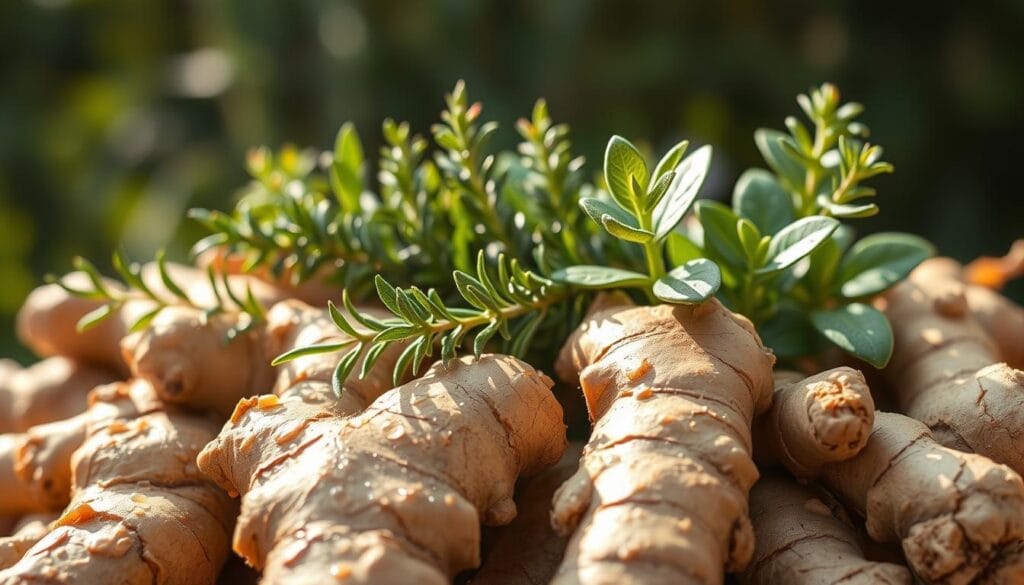
Ginger is known for its spicy kick and acts as a strong anti-inflammatory for your lungs. It’s a top lung-boosting herb found in most grocery stores. It reduces swelling, making your airways more comfortable.
How Ginger Supports Lung Function
Ginger has compounds like gingerol that soothe irritated bronchial tubes. Eating ginger improves blood flow, ensuring oxygen reaches your lungs well. This is key for keeping your respiratory system healthy.
Many turn to herbs for lung function like ginger for everyday relief. It calms inflammation, keeping your airways open. Regular use can make breathing easier during daily tasks.
Incorporating Ginger into Your Diet
Adding fresh ginger to your meals boosts your wellness. Grate it into smoothies for a zesty start or make a soothing tea with thin slices. These easy changes enhance your lung health naturally.
| Preparation Method | Best Use Case | Flavor Profile |
|---|---|---|
| Fresh Grated | Stir-fries and curries | Sharp and spicy |
| Hot Infusion | Morning or evening tea | Mild and warming |
| Smoothie Blend | Post-workout recovery | Zesty and bright |
| Candied Ginger | Quick snack on the go | Sweet and pungent |
Ginger is great in savory dishes or warm drinks. Try different ways to find what works for you. Start small and enjoy ginger’s benefits every day.
Turmeric: The Golden Spice
Discover why turmeric is a top lung-boosting herb today. It’s been used for centuries in traditional medicine. Now, science backs its benefits for your lungs. Adding turmeric to your day can improve your breathing.
Curcumin’s Impact on Lung Health
Turmeric’s power comes from curcumin. This compound fights inflammation in your airways. It helps your lungs work better during the day.
Curcumin also acts as an antioxidant. It protects your lungs from damage caused by pollutants and allergens. Using lung-boosting herbs like turmeric keeps your lungs healthy.
“Nature provides us with the most potent tools for healing, and the golden root of turmeric remains a cornerstone of holistic respiratory support.”
Turmeric Tea Recipes for Respiratory Health
To get the most from turmeric, you need to absorb it right. Curcumin works best with fat or black pepper. Making a soothing tonic at home can help your lungs.
Here are some ways to use your golden spice:
| Method | Key Ingredient | Benefit |
|---|---|---|
| Golden Milk | Coconut Milk | Enhances absorption |
| Spiced Tea | Black Pepper | Boosts bioavailability |
| Honey Infusion | Raw Honey | Soothes throat irritation |
For a basic tea, boil one teaspoon of turmeric powder for ten minutes. Add black pepper to make curcumin work better. This easy habit makes turmeric a key lung-boosting herb for your health.
Zataria Multiflora: An Emerging Herb
Zataria multiflora is quickly becoming a top choice for powerful herbs for respiratory health. Known as Shiraz thyme, it comes from the Middle East. For centuries, people have used it. Now, it’s popular for those wanting to add to their lung-boosting herbs.
Research on Zataria for Respiratory Support
Scientists are really interested in this plant because of its special makeup. They found that its oils, like carvacrol and thymol, help a lot with breathing. These oils make breathing easier by calming the airways and keeping inflammation in check.
“Nature provides a vast pharmacy of botanical allies that, when understood through science, offer profound benefits for our daily well-being.”
Studies show that it can open up airways, which is great during allergy seasons. Adding it to your routine means you’re choosing a top herb for your lungs.
How to Use Zataria Safely
When using strong herbs, safety and the right way to use them are crucial. Start with a small amount to see how you react. It’s usually made into tea or used in essential oil form for smells.
Always listen to a qualified herbalist or doctor about how much to take. Consistency is key, but don’t overdo it. If you’re pregnant, nursing, or on meds, talk to your doctor first.
Combining Herbs for Optimal Lung Health
By mixing different herbs, you can get more benefits for your lungs. This method lets you create herbal lung tonics that meet your health needs. It’s like building a custom recipe for your body.
Effective Herbal Blends
Thyme and mullein are a great pair. Thyme fights off germs, and mullein soothes your airways. Together, they make a tea that helps you breathe better.
Try ginger and peppermint for a cool, anti-inflammatory effect. These top lung-supporting herbs help reduce swelling and improve airflow. Mixing them up helps you find what works best for you.
Tips for Crafting Your Herbal Remedies
Start small when making your own blends. It’s key to balance strong herbs with gentle ones. This way, your herbal lung tonics are both effective and easy on your body.
Use only the best, organic herbs for safety and quality. Switch up your top lung-supporting herbs to avoid getting too used to one. Keep a journal to see which blends work best for you.
Conclusion: Embracing Herbal Remedies
Starting to control your breathing is about making small, thoughtful choices every day. By choosing the best herbs for your lungs, you lay a strong foundation for better health and comfort. Being consistent is key to seeing lasting changes in your life.
Integrating Herbs into Your Wellness Routine
You can add these natural remedies to your morning tea or evening routine. Begin with one or two herbs that match your lifestyle and watch how your body reacts. Keeping a journal helps you see which herbs work best for you.
Seeking Professional Guidance for Lung Health
Your health is unique, so always check with a doctor before trying new supplements. A healthcare provider can make sure the herbs you choose are safe with your current medicines. This ensures you use these powerful plants wisely for your body’s health.
Focus on your long-term health by staying informed and paying attention. You have the tools to naturally support your lungs. Trust your instincts as you explore these options to breathe better and live a healthier life.