

Powerful Natural Remedy for Joint Health: 5 Essential Tips for Pain Relief
Imagine a sunny morning in Seattle. You are ready to walk through the park with your grandkids, but a sharp ache in your knees makes you pause. You sit back down and wonder if your active days are slowly fading away. This frustrating moment is a common reality for many adults who value their independence.
Prioritizing your physical wellness is the most effective way to keep your body moving freely. Finding natural paths for relieving joint pain can help you reclaim those precious moments outdoors. You deserve to enjoy every step without worrying about how your limbs will feel tomorrow. Small lifestyle adjustments can make a massive difference in your daily comfort levels.
Table of Contents
We have gathered five essential tips to support your strength and mobility naturally. These strategies offer a gentle approach to staying flexible while enhancing your overall quality of life. By following these simple steps, you can look forward to a more comfortable and vibrant lifestyle. It is time to put your best foot forward and embrace a life of movement.
Key Takeaways
- Discover natural ways to ease daily body stiffness effectively.
- Learn how simple lifestyle habits impact your long-term mobility.
- Explore the benefits of gentle movement for better flexibility.
- Understand how to protect your skeletal system without harsh chemicals.
- Gain practical tips for maintaining a more active and vibrant lifestyle.
- Identify the best natural strategies for physical comfort and strength.
Why Your Joints Deserve Natural Care and Attention
With the rise in joint-related issues, understanding the importance of natural joint care has become more crucial than ever. As you navigate the challenges of maintaining healthy joints, it’s essential to consider the benefits that natural remedies and care practices can offer. Joint discomfort can significantly impact your quality of life, making everyday activities a challenge. By focusing on natural approaches to joint health, you can potentially alleviate pain and improve your overall well-being.
The Rising Concern of Joint Discomfort in America
Joint discomfort has become a growing concern across the United States, affecting millions of people. The causes can range from arthritis and injuries to simple wear and tear over time. As the population ages, the prevalence of joint issues is expected to increase, making it a significant public health concern. Understanding the root causes of your joint discomfort is the first step towards finding an effective solution.
Benefits of Choosing Natural Remedies Over Medications
Many individuals are turning to natural remedies as an alternative to conventional medications for managing joint pain. Natural approaches often come with fewer side effects and can be used in conjunction with other treatments. Natural joint supplements, for instance, can provide essential nutrients that support joint health, potentially reducing the need for pharmaceutical interventions.
The benefits of natural remedies extend beyond just pain relief. They can also contribute to the overall health of your joints by promoting healing and reducing inflammation. By choosing natural remedies, you’re opting for a more holistic approach to your joint care.
How Natural Approaches Support Your Body’s Healing
Natural approaches to joint health work in harmony with your body’s natural healing processes. By providing your joints with the necessary nutrients and care, you can support your body’s ability to repair and maintain healthy joints. This can lead to improved mobility and a reduction in pain over time.
Nutritional support is a critical component of natural joint care. Certain foods and supplements can help reduce inflammation and promote healing. By incorporating these into your diet, you can take a proactive approach to managing your joint health.
Tip 1: Harness the Power of Anti-Inflammatory Foods for Joint Health
Embracing a diet rich in anti-inflammatory foods can significantly enhance your joint health and reduce pain. Your dietary choices play a pivotal role in managing inflammation, which is a key factor in joint discomfort. By focusing on the right foods, you can support your body’s natural healing processes and improve your overall well-being.
Omega-3 Rich Foods That Reduce Inflammation
Omega-3 fatty acids are renowned for their anti-inflammatory properties, making them a crucial component of a diet aimed at relieving joint pain. These essential fatty acids help reduce inflammation, promoting healthier joints.
Fatty Fish and Plant-Based Sources
Fatty fish such as salmon, mackerel, and sardines are excellent sources of omega-3s. For those preferring plant-based options, flaxseeds, chia seeds, and walnuts are valuable alternatives. Incorporating these foods into your meals can be both delicious and beneficial for your joint health.
Daily Serving Recommendations for Optimal Results
To reap the benefits, aim for at least two servings of fatty fish per week or include a daily dose of plant-based omega-3 sources in your diet. A balanced intake can significantly contribute to joint support and overall health.
Colorful Fruits and Vegetables for Joint Support
A vibrant diet rich in colorful fruits and vegetables is not only visually appealing but also packed with antioxidants and nutrients that support joint health. These foods help combat oxidative stress and inflammation, key factors in maintaining healthy joints.
Berries and Cherries for Antioxidant Protection
Berries and cherries are particularly noteworthy for their high antioxidant content. They help protect your joints from damage caused by free radicals, thereby supporting relieving joint pain. Enjoy them as snacks, add them to your breakfast, or blend them into smoothies.
Leafy Greens and Cruciferous Vegetables
Leafy greens like spinach and kale, along with cruciferous vegetables such as broccoli and cauliflower, are rich in vitamins and minerals that promote joint health. They are also low in calories, making them a nutritious addition to your meals.
“A diet rich in fruits, vegetables, and omega-3 fatty acids can significantly reduce inflammation and promote joint health.”
Spices That Combat Joint Pain Naturally
Certain spices have potent anti-inflammatory properties that can aid in managing joint pain. Incorporating these into your daily diet can be a flavorful way to support your joint health.
Turmeric and Ginger in Your Daily Diet
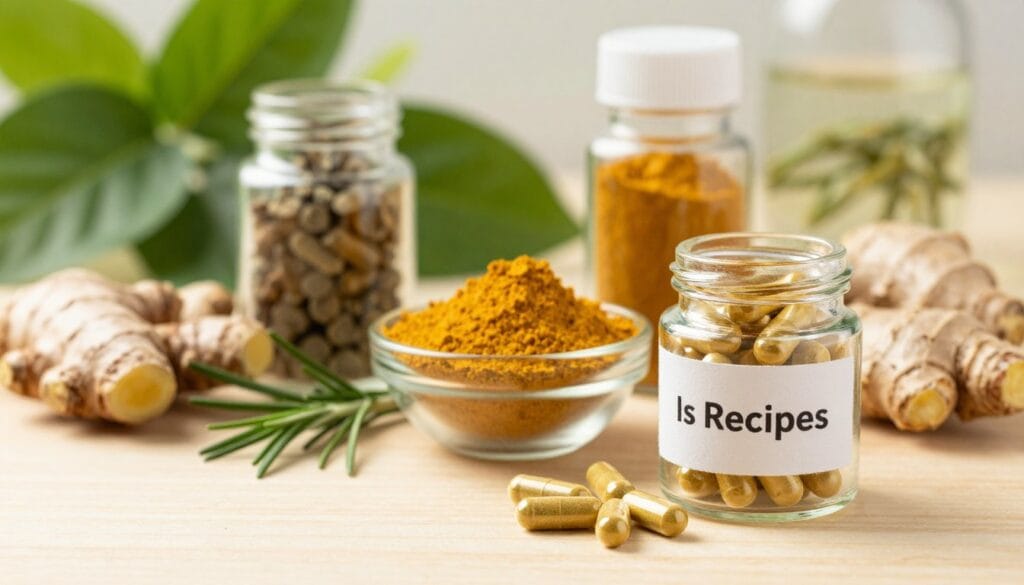
Turmeric contains curcumin, a compound known for its anti-inflammatory effects. Ginger has similar properties, making both excellent additions to your meals. They can be used in teas, soups, or as spices in various dishes.
Simple Ways to Incorporate These Spices
You can easily add turmeric and ginger to your daily routine by sprinkling them on your food or making a warm tea. This simple habit can contribute significantly to your joint health supplements regimen, enhancing their effectiveness.
By making informed dietary choices and incorporating these anti-inflammatory foods into your meals, you can take a proactive step towards better joint health and reduced discomfort.
Tip 2: Incorporate Targeted Movement and Low-Impact Exercise
Targeted movement and low-impact exercises are crucial for maintaining healthy joints. Regular engagement in these activities not only improves joint mobility but also contributes to overall well-being. By incorporating exercises that are gentle on the joints, you can reduce pain and enhance your quality of life.
Swimming and Water Aerobics for Joint Mobility
Swimming and water aerobics are excellent low-impact exercises that promote joint mobility without putting excessive strain on your joints. The buoyancy of water reduces the impact on joints compared to similar exercises on land.
Why Water Exercise Protects Your Joints
Water provides natural resistance that helps strengthen the muscles around your joints without the high-impact stress associated with many land-based exercises. This makes it an ideal environment for people with joint issues.
Getting Started with Aquatic Fitness
To start with aquatic fitness, find a local pool that offers water aerobics classes or simply begin with swimming laps. Even a few minutes a day can be beneficial for your joint care.
Yoga and Stretching Routines for Flexibility
Yoga and stretching are vital for maintaining flexibility and reducing stiffness in the joints. These exercises can be adapted to suit different fitness levels and are beneficial for overall joint health.
Best Yoga Poses for Joint Relief
Certain yoga poses, such as downward-facing dog and child’s pose, are particularly beneficial for relieving tension in the joints. These poses help maintain flexibility and reduce pain.
Daily Stretching Sequences You Can Do at Home
Simple stretching exercises can be done at home and are effective in improving flexibility. Focus on major joints like the knees, hips, and shoulders to maximize the benefits for your joint mobility.
Walking and Gentle Cardio Benefits
Walking is a simple yet effective way to improve cardiovascular health while being gentle on the joints. It’s an accessible form of exercise that can be adapted to different fitness levels.
Building an Effective Walking Program
To build an effective walking program, start with short, manageable walks and gradually increase the duration and intensity. This approach helps improve cardiovascular health without overstraining your joints.
Proper Footwear and Form for Joint Protection
When walking, wearing proper footwear that provides adequate support and cushioning is crucial for joint care. Maintaining good form, such as keeping your posture upright, also helps reduce unnecessary strain on your joints.
By incorporating these low-impact exercises into your daily routine, you can significantly improve your joint health and overall quality of life.
Tip 3: Utilize Natural Supplements for Enhanced Joint Support
To support your joints naturally, consider adding specific supplements that have been shown to improve joint health and reduce discomfort. Natural supplements can play a crucial role in maintaining healthy joints and alleviating the symptoms associated with joint pain.
Glucosamine and Chondroitin for Cartilage Health
Glucosamine and chondroitin are two naturally occurring compounds found in the body, known for their role in maintaining cartilage health. Glucosamine is believed to help maintain the fluid around joints and chondroitin is thought to help keep cartilage healthy.
How These Compounds Support Your Joints
These compounds work synergistically to support joint health. Glucosamine is involved in the formation and repair of cartilage, while chondroitin helps to attract and hold fluid within the cartilage, providing it with the necessary nutrients.
Recommended Dosages and What to Expect
The typical recommended dosage is 1,500 mg of glucosamine and 800 mg of chondroitin per day. It’s essential to consult with a healthcare professional before starting any supplement regimen. You may start to notice improvements in joint pain and mobility within a few weeks to a few months.
| Supplement | Daily Dosage | Expected Benefits |
|---|---|---|
| Glucosamine | 1,500 mg | Cartilage repair and maintenance |
| Chondroitin | 800 mg | Improved cartilage health and fluid retention |
Turmeric and Curcumin Supplementation
Turmeric, a spice commonly found in curry powder, contains a compound called curcumin, which has potent anti-inflammatory and antioxidant properties. Curcumin has been shown to have a positive effect on joint health by reducing inflammation.
Choosing Quality Turmeric Supplements
When selecting a turmeric supplement, look for products that contain curcuminoids, the active compounds in turmeric. Ensure the product is from a reputable manufacturer that adheres to good manufacturing practices (GMPs).
Enhancing Absorption with Black Pepper
To enhance the absorption of curcumin, consider supplements that include black pepper extract (piperine), as it significantly improves bioavailability.
“Curcumin has been shown to be as effective as some anti-inflammatory drugs in reducing inflammation and improving symptoms in patients with osteoarthritis.”
Collagen Peptides for Joint Strength
Collagen peptides are short chains of amino acids that are easily absorbed by the body. They are rich in glycine, proline, and hydroxyproline, which are important for collagen production and joint health.
Types of Collagen for Joint Support
There are several types of collagen, but Type II collagen is particularly beneficial for joint health as it is found predominantly in cartilage.
Best Times to Take Collagen Supplements
For optimal absorption, consider taking collagen supplements on an empty stomach or with a meal that doesn’t contain protein. Many people find it convenient to add collagen peptides to their morning coffee or smoothie.
Tip 4: Apply Heat and Cold Therapy Strategically
Heat and cold therapy, when used correctly, offer a powerful approach to relieving arthritis pain and improving joint mobility. By understanding when to apply heat or cold, you can significantly enhance your joint care routine.
When to Use Heat for Stiff Joints
Heat therapy is particularly effective for stiff joints, as it increases blood flow and reduces muscle spasms. You can apply heat using various methods.
Heating Pads and Warm Compresses
Using a heating pad or a warm compress can be an easy and effective way to apply heat directly to the affected area. Ensure the temperature is comfortable to avoid burns.
Warm Baths with Epsom Salt
Soaking in a warm bath with Epsom salt can also provide relief. The magnesium in Epsom salt helps reduce inflammation and relax muscles.
Cold Therapy for Acute Inflammation
Cold therapy is ideal for acute inflammation, as it numbs the pain and reduces swelling. It’s essential to use cold therapy correctly to maximize its benefits.
Ice Packs and Cold Compresses
Applying an ice pack or cold compress wrapped in a towel can help reduce inflammation. Never apply ice directly to the skin to avoid ice burns.
Duration and Frequency Guidelines
For cold therapy, apply the ice pack for 15-20 minutes, several times a day. Always allow the skin to return to normal temperature between applications.
Alternating Techniques for Maximum Relief
Alternating between heat and cold therapy can provide maximum relief by combining the benefits of both. This technique is known as contrast therapy.
Contrast Therapy Methods
Start with heat for 3-4 minutes, followed by cold for 1 minute. Repeat this cycle a few times, ending with heat. This helps in reducing pain and improving circulation.
Safety Precautions to Keep in Mind
When using contrast therapy, ensure you’re not overdoing it. Monitor your body’s response and adjust the temperature and duration accordingly. If you have any underlying health conditions, consult with a healthcare professional before starting contrast therapy.
By incorporating heat and cold therapy strategically into your daily routine, you can take a significant step towards relieving joint pain and enhancing your overall joint care.
Tip 5: Maintain Healthy Weight to Reduce Joint Stress
One of the most effective ways to alleviate joint stress is by achieving and maintaining a healthy weight. Excess weight puts additional pressure on your joints, particularly in weight-bearing areas like the knees and hips. By managing your weight, you can significantly reduce the strain on these joints and improve your overall joint health.
Understanding Weight Impact on Joint Pressure
Carrying extra weight affects your joints in multiple ways. For every pound of body weight, your joints absorb several times that amount in force with each step. This increased pressure can lead to wear and tear on the joint cartilage, exacerbating conditions like osteoarthritis.
How Extra Pounds Affect Your Knees and Hips
The knees and hips are particularly susceptible to the effects of excess weight. Additional pounds increase the stress on these joints, potentially leading to pain and reduced mobility. By maintaining a healthy weight, you can alleviate some of this pressure and support your healthy joints.
The Mathematics of Weight and Joint Load
Research indicates that for every pound of body weight lost, there’s a corresponding reduction of several pounds of pressure off the knee joints. This mathematical relationship underscores the importance of weight management in joint support.

Sustainable Weight Management Strategies
Achieving a healthy weight is not just about short-term dieting; it’s about adopting sustainable lifestyle changes. Gradual adjustments to your diet and exercise routine can lead to lasting results.
Gradual Changes for Lasting Results
Crash diets and extreme exercise regimens are often unsustainable. Instead, focus on making gradual changes that you can maintain over time. This might include increasing your physical activity levels or making healthier dietary choices.
Combining Diet and Exercise Effectively
A balanced approach that includes both a healthy diet and regular exercise is key to successful weight management. This combination not only helps in losing weight but also in maintaining weight loss and supporting overall joint health.
Nutritional Balance for Joint and Overall Health
A well-balanced diet is crucial for maintaining a healthy weight and supporting your joints. Focus on nutrient-rich foods that provide the necessary building blocks for joint support.
Portion Control Without Deprivation
Controlling portion sizes is essential for managing weight without feeling deprived. By eating smaller, more balanced meals, you can maintain a healthy weight and support your overall health.
Meal Planning for Joint-Friendly Nutrition
Planning your meals in advance can help ensure you’re getting the nutrients you need to support your joints. Incorporate foods rich in omega-3 fatty acids, antioxidants, and other nutrients beneficial for joint health.
Creating Your Personalized Joint Health Routine
Your journey to healthier joints begins with a personalized approach that addresses your unique challenges and goals. By tailoring your joint care routine to your specific needs, you can more effectively manage pain and improve your overall joint mobility.
Assessing Your Current Joint Condition
Understanding your current joint health is the first step towards creating an effective care plan. This involves being aware of your body’s signals and limitations.
Identifying Your Pain Patterns and Triggers
Pay attention to when your joint pain occurs. Is it after certain activities or at specific times of the day? Identifying patterns can help you avoid triggers and manage pain more effectively.
Understanding Your Mobility Limitations
Assess how your joint health affects your daily activities. Are there certain movements or tasks that you struggle with? Recognizing these limitations can guide your exercise and stretching routines.
Setting Realistic Health Goals
Setting achievable goals is crucial for maintaining motivation and tracking progress in your joint health journey.
Short-Term and Long-Term Objectives
Start by setting short-term goals, such as reducing pain over the next few weeks, and then establish long-term objectives, like improving your overall mobility within a few months. Breaking down your goals into manageable steps makes them more attainable.
Measuring Your Progress Effectively
Keep a journal or use a health app to track your progress. Monitoring your achievements can help you stay motivated and adjust your routine as needed.
Building Consistency and Daily Habits
Consistency is key to improving joint health. Incorporating daily habits into your routine can make a significant difference.
Morning and Evening Joint Care Rituals
Establish morning and evening routines that support your joint health, such as gentle stretching or applying heat or cold therapy. These rituals can help reduce stiffness and prepare your joints for the day or night.
Overcoming Common Obstacles to Success
Identify potential obstacles, such as lack of time or motivation, and develop strategies to overcome them. Staying committed to your routine is crucial for achieving your joint health goals.
Lifestyle Modifications That Support Long-Term Joint Health
Adopting certain lifestyle changes can significantly enhance your joint health and overall well-being. By making a few key adjustments, you can reduce the risk of joint-related issues and improve your quality of life.
Proper Posture and Ergonomics at Work and Home
Maintaining proper posture and ergonomics is crucial for reducing strain on your joints. This involves setting up your workspace and daily activities to promote good joint health.
Setting Up Your Workspace for Joint Protection
Ensure your workspace is set up to promote good posture. This includes having a chair at the correct height, a monitor at eye level, and a keyboard and mouse within easy reach.
Body Mechanics for Daily Activities
Pay attention to your body mechanics during daily activities like lifting, bending, and carrying. Use proper lifting techniques and avoid bending or twisting, which can put unnecessary strain on your joints.
| Activity | Proper Technique | Benefits |
|---|---|---|
| Lifting | Bend at the knees, keep the object close to your body | Reduces strain on back and knee joints |
| Carrying | Distribute weight evenly, avoid heavy loads | Minimizes stress on shoulder and hip joints |
| Bending | Use leg muscles, avoid twisting | Protects spine and hip joints |
Quality Sleep for Tissue Repair and Recovery
Getting quality sleep is essential for joint health as it allows your body to repair and recover. Poor sleep can exacerbate joint pain and inflammation.
Best Sleeping Positions for Joint Comfort
Sleeping on your back with a pillow under your knees or on your side with a pillow between your knees can help maintain joint alignment and reduce discomfort.
Creating a Sleep Environment That Promotes Healing
Ensure your bedroom is dark, quiet, and cool. Invest in a comfortable mattress and pillows to support a restful night’s sleep.
Stress Management and Its Impact on Inflammation
Chronic stress can lead to increased inflammation, which can negatively impact joint health. Engaging in stress-reducing activities can help mitigate this effect.
Relaxation Techniques for Pain Relief
Techniques such as deep breathing, meditation, and yoga can help reduce stress and promote relaxation, which can in turn help alleviate joint pain.
Mindfulness Practices for Joint Health
Mindfulness practices, including meditation and mindful movement, can help you become more aware of your body’s needs and reduce stress.
By incorporating these lifestyle modifications, you can take proactive steps towards supporting your long-term joint health and reducing the risk of joint-related issues.
When to Seek Professional Medical Guidance
As you incorporate natural remedies into your joint care routine, it’s vital to recognize the signs that indicate a need for professional medical attention. While natural approaches can significantly support joint health, certain situations require the expertise of a healthcare professional.
You should be aware of the warning signs that necessitate immediate medical evaluation to prevent further complications.
Warning Signs That Require Immediate Attention
If you’re experiencing any of the following symptoms, it’s crucial to seek medical help promptly.
Severe Pain and Sudden Swelling
Severe pain or sudden swelling in your joints can be indicative of a serious underlying condition that needs immediate medical evaluation. This could be a sign of an acute injury or an inflammatory flare-up.
Limited Range of Motion and Instability
If you notice a significant reduction in your joint mobility or feel instability, it may be a sign that your joint health requires professional assessment. This could be due to various factors, including degenerative conditions or injuries.
Working Collaboratively with Healthcare Providers
When you do seek medical guidance, it’s essential to work collaboratively with your healthcare provider to ensure you receive comprehensive care. This includes being open about the natural remedies you’re using.
Questions to Ask Your Doctor
Prepare a list of questions to ask your doctor, such as the cause of your joint issues, potential treatments, and how to integrate natural joint supplements with medical care.
Integrating Natural Remedies with Medical Care
Discuss with your healthcare provider how to safely combine natural joint supplements and therapies with any prescribed medical treatments to avoid adverse interactions.
Complementary Therapies Worth Considering
In addition to medical care, certain complementary therapies can support your joint health.
Physical Therapy and Massage
Physical therapy can help improve joint mobility, while massage can reduce muscle tension and promote relaxation. Both can be valuable additions to your joint care routine.
Acupuncture and Chiropractic Care
Therapies like acupuncture and chiropractic care may also offer benefits in managing joint pain and improving overall joint function. It’s essential to find qualified practitioners.
| Therapy | Benefits | Considerations |
|---|---|---|
| Physical Therapy | Improves joint mobility and strength | Consult with a healthcare provider for a referral |
| Massage Therapy | Reduces muscle tension and promotes relaxation | Ensure the therapist is experienced in working with clients with joint issues |
| Acupuncture | May help manage joint pain | Look for a licensed practitioner |
| Chiropractic Care | Can improve joint function and alignment | Choose a chiropractor with experience in treating joint health issues |
Conclusion
By incorporating the 5 essential tips outlined in this article, you can take a proactive approach to relieving joint pain and maintaining healthy joints. From harnessing the power of anti-inflammatory foods to utilizing natural supplements and targeted movement, every step you take brings you closer to optimal joint health.
As you create your personalized joint health routine, remember that consistency and patience are key. By making sustainable lifestyle modifications, such as maintaining a healthy weight and practicing stress management, you can significantly reduce the risk of joint discomfort and promote overall well-being.
By taking control of your joint health, you can enjoy a life free from the constraints of joint pain. Start your journey today and discover the benefits of healthy joints, from improved mobility to enhanced overall health.