Sucked Fish Recipe: 5 Secrets for Perfect Flavor
Creating top-notch meals at home is a fun challenge. Mastering seafood delicacies takes your meals to a new level. Many people look for special ways to make simple ingredients into unforgettable dishes.
The sucked fish is a dish that requires skill and patience. It might seem hard, but learning the basics can make your dish stand out. It’s known for its unique texture and rich taste, making it a favorite among gourmet fish recipes.
We’ll share five key secrets for perfect seasoning and heat. These tips will help you create a dish that shows off your cooking skills.
Table of Contents
Understanding the Culinary Art of Sucked Fish
Exploring Sucked Fish reveals a unique cooking method. It combines old techniques with new ones. This creates a special dining experience.
Sucked Fish cooking is different from other seafood. It uses a special way to handle and cook the fish. This method brings out the fish’s natural tastes and textures.
Defining the Unique Preparation Style
The preparation of Sucked Fish starts with choosing the freshest fish. Then, a special technique removes blood and impurities. This makes the flavor cleaner.
This method also makes the fish’s texture better. The result is a dish that’s both refined and full of character.
| Preparation Step | Description | Benefit |
|---|---|---|
| Selection of Fresh Catch | Choosing the freshest fish available | Ensures optimal flavor and texture |
| Specialized Technique | Removing blood and impurities | Results in a cleaner flavor profile |
| Cooking Method | Applying a unique cooking technique | Enhances natural flavors and textures |
Why This Method Enhances Natural Flavors
The Sucked Fish method keeps the fish’s natural flavors intact. It minimizes outside flavors. This lets the fish’s true taste shine, making it a unique seafood dish.
Using this exotic technique, chefs make dishes that taste great and look good. It’s a way to show off the best of seafood.
Sourcing the Freshest Catch for Your Dish
Finding the freshest catch is key to a great Sucked Fish dish. The quality of your seafood affects the taste and texture of your dish. So, knowing how to pick the best seafood is very important.
Identifying High-Quality Seafood at the Market
When you’re shopping for seafood, look for signs of freshness. Bright, clear eyes, shiny scales, and a fresh smell are good signs. The flesh should feel firm, and there should be no sliminess or strong smells. Asking your fishmonger about the origin and catch date can also provide valuable insights into the seafood’s quality.
“The freshness of the seafood is not just about the day it was caught, but also how it was handled and stored,” says a renowned seafood chef. This shows the catch date and handling practices are both important.
The Role of Fish Market Innovations in Quality Control
New technologies in fish markets have changed how seafood is sold. Blockchain is used to track seafood from catch to plate, ensuring quality and transparency. These innovations help in maintaining high standards of quality control, making it easier for consumers to make informed choices.
Some markets also use advanced storage to keep seafood fresh longer. This reduces waste and lets consumers enjoy high-quality seafood all year.
Mastering the Sucked Fish Preparation Technique
Preparing sucked fish is an art that needs specific tools and safety knowledge. You must first learn the basics that make this dish special.
Essential Tools for the Home Chef
You’ll need some specialized tools to start. These include a fish scaler, a sharp knife, and tweezers or pliers for removing bones. You’ll also need a big, non-reactive container for marinating.
Having a thermometer is key for the right temperatures. A vacuum sealer helps keep the fish fresh and prevents freezer burn.
Safety Protocols for Exotic Fish Preparations
When working with exotic fish, safety is crucial. Buy fish from trusted sources and keep it at the right temperature. Always wash your hands and utensils before touching the fish.
Know about any allergens or toxins in the fish you’re using. Some fish may have more mercury or contaminants. The right handling and prep can reduce these risks.
Secret One: The Importance of Brine Concentration
To get the most out of your sucked fish, you need to know about brine concentration. It’s key to bringing out the fish’s natural flavors and textures.
First, you must understand the role of brine in cooking seafood. A good brine can make your dish richer and more complex.
Calculating the Ideal Salt-to-Water Ratio
Finding the right salt-to-water ratio is essential for a great brine. This ratio usually falls between 5% to 10% salt, depending on the fish type and desired taste.
For sucked fish, a 6% salt concentration is often recommended. It balances the flavor without overwhelming the seafood’s taste.
How Osmosis Transforms the Protein Structure
Osmosis changes the fish’s protein structure during brining. As the fish soaks in the brine, its proteins change, making it tender and flavorful.
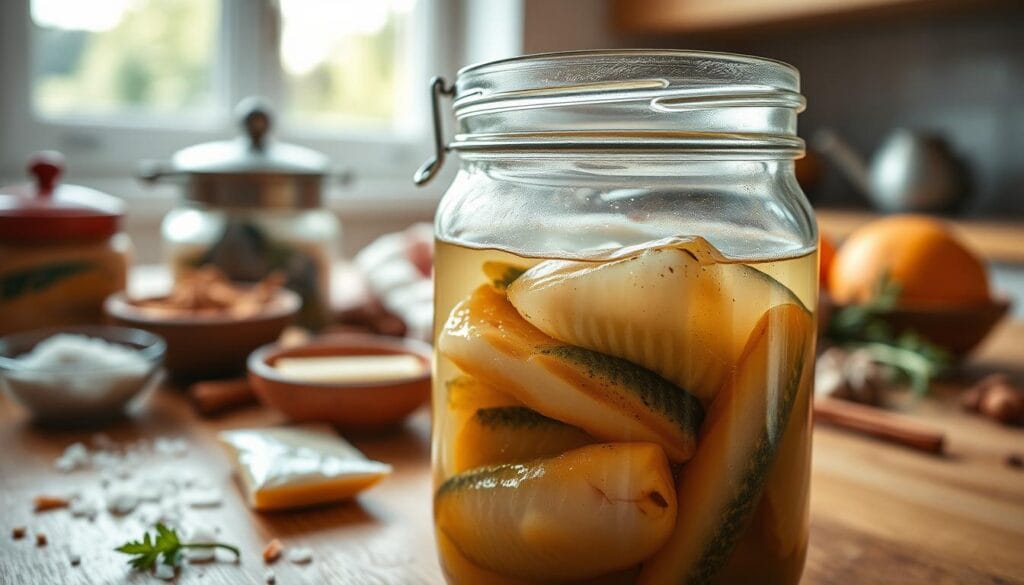
Osmosis also improves the fish’s texture and helps preserve it. It reduces moisture, making it better for different cooking methods.
By learning about brine concentration and its effects on proteins, you can elevate your sucked fish dishes. They’ll become truly special seafood experiences.
Secret Two: Temperature Control During the Sucking Process
Getting the best flavor in sucked fish recipes depends a lot on temperature control. As you dive into seafood trends and eco-friendly fishing, knowing how to manage temperature is key.
Maintaining Consistent Thermal Environments
To get the best results, keeping a steady temperature is crucial. Use tools like precision cookers or water baths to control the heat.
Key benefits of consistent thermal environments include:
| Benefit | Description | Impact on Flavor |
|---|---|---|
| Even Cooking | Ensures that the fish is cooked uniformly throughout. | Enhances the overall texture and flavor. |
| Reduced Risk of Overcooking | Minimizes the risk of overcooking, which can make the fish tough. | Preserves the delicate flavor of the seafood. |
| Improved Food Safety | Reduces the risk of bacterial contamination by maintaining safe temperatures. | Ensures a safe and healthy dining experience. |
Avoiding Common Pitfalls in Temperature Regulation
Common mistakes include using wrong thermometers and not preheating. To avoid these, get good thermometers and preheat your gear before starting.
By paying attention to these details and using eco-friendly fishing, you can make your seafood dishes much better.
Secret Three: Infusing Aromatics for Depth
The third secret to a sublime Sucked Fish is infusing aromatics. This adds a lot to the dish’s flavor. Choosing the right herbs and using the right technique is key to getting the most flavor.
Choosing the right herbs is crucial in gourmet fish recipes. You want herbs that complement the fish without overpowering it. Popular herbs include parsley, dill, and tarragon, each adding a unique flavor.
Selecting Herbs That Complement Delicate Seafood
When picking herbs, think about the fish’s natural flavor and your dish’s theme. For a light flavor, parsley or dill might be good. Tarragon adds a unique anise-like taste.
Try mixing different herbs for exciting flavors. Parsley and dill create a fresh taste. Tarragon with lemon adds a sophisticated twist.
Techniques for Maximum Flavor Extraction
How you infuse aromatics matters a lot. Heating herbs in oil releases their oils. This method, called “tempering,” blends the flavors with the oil, enhancing the fish.
Adding herbs to the brine or marinade lets the fish soak up the flavors. You can also wrap the fish in herbs or put them inside for inside-out flavor.
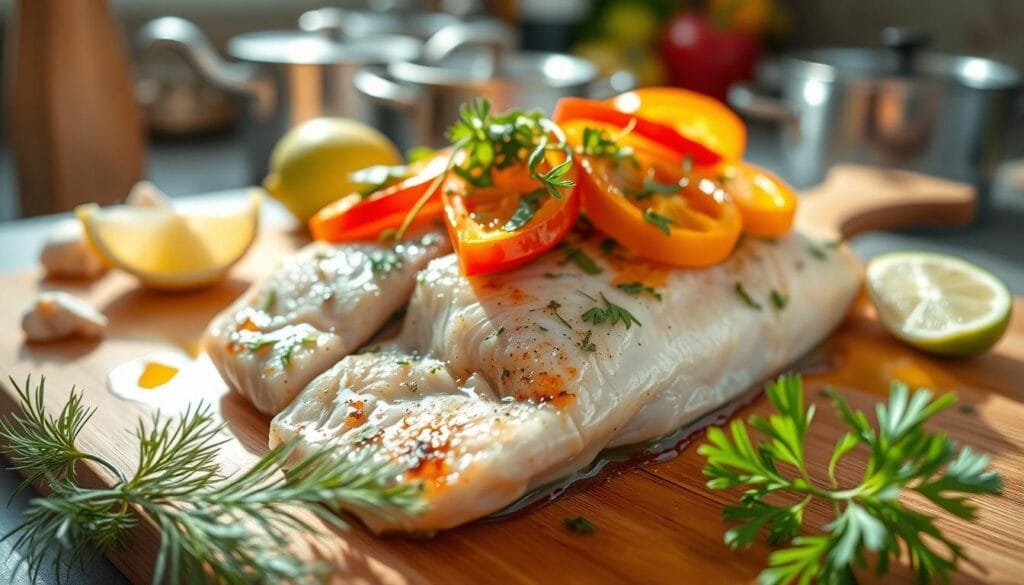
By picking the right herbs and using the right techniques, you can make your Sucked Fish more complex. It becomes a gourmet seafood delicacy.
Secret Four: Achieving the Perfect Texture Balance
For exotic fish preparations, the key to a memorable dining experience lies in the texture balance. It’s not just about cooking the fish. It’s about finding that delicate balance that makes your Sucked Fish dish unforgettable.
Be precise in monitoring the firmness of the flesh. This ensures it’s cooked to perfection. Overcooking makes it tough and rubbery. Undercooking makes it soft and unappetizing.
Monitoring the Firmness of the Flesh
To achieve the ideal texture, check the firmness of the fish flesh often. Gently press the flesh to gauge its resistance and tenderness.
Firmness Levels for Different Fish Textures:
| Fish Texture | Firmness Level | Description |
|---|---|---|
| Delicate | Soft, flakes easily | Fish like Sole or Flounder |
| Moderate | Firm, but yields to pressure | Fish like Cod or Salmon |
| Firm | Resistant, does not flake easily | Fish like Tuna or Swordfish |
Adjusting Timing Based on Fish Species
Different fish species have varying densities and fat contents, which affect cooking times. Adjusting your cooking time based on the species ensures that your Sucked Fish is cooked just right.
For instance, fatty fish like Salmon may require a slightly longer cooking time compared to leaner fish like Cod. Understanding these nuances is crucial for achieving the perfect texture balance in your unique seafood dishes.
Secret Five: The Final Glaze and Presentation
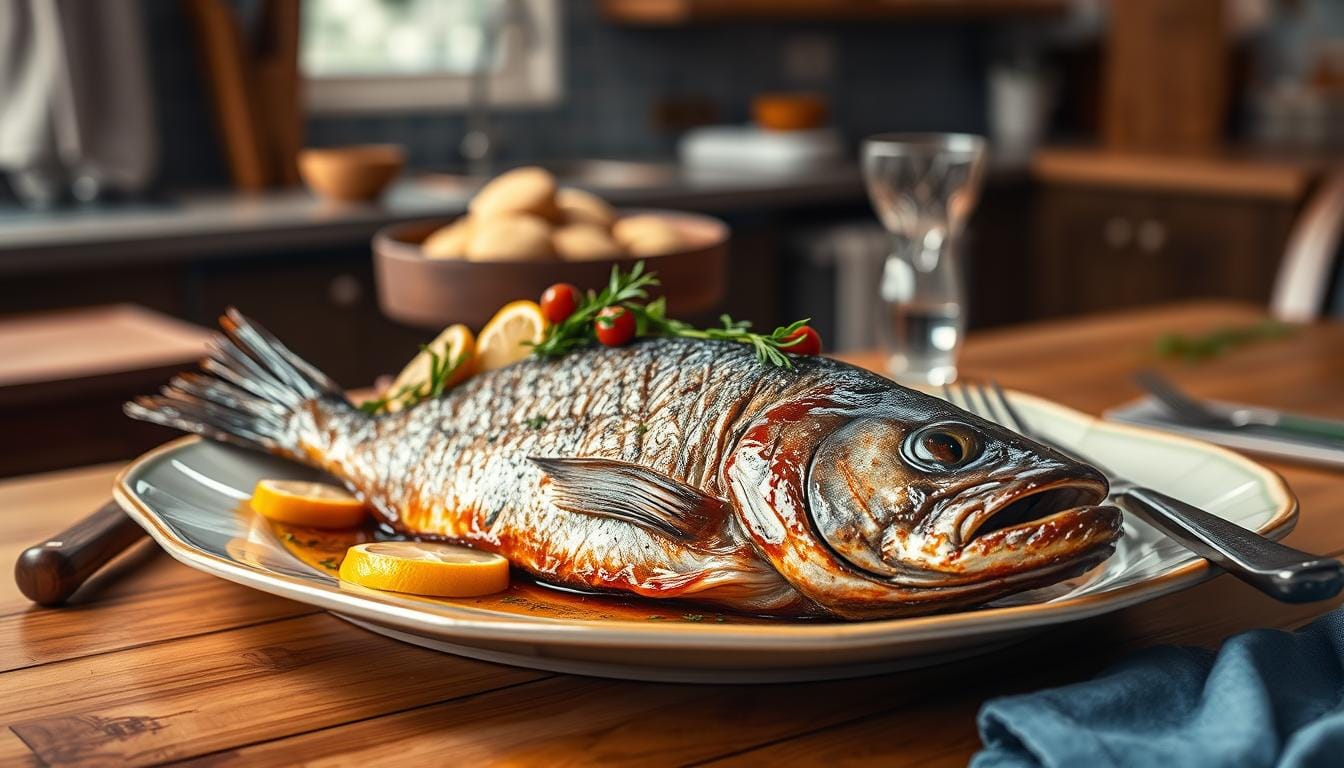
As you near the end of your sucked fish dish, the final secret is a glaze that shines and a presentation that wows. The last touches can turn your dish into a gourmet feast.
Creating a Signature Finishing Sauce is an art that needs a deep understanding of flavors. It’s about finding the right mix that complements the delicate taste of sucked fish. Start with a base of citrus or soy sauce, then add herbs and spices that match the seafood.
Creating a Signature Finishing Sauce
To make a signature finishing sauce, think about the flavor you want. For sucked fish, a light, citrus-based glaze works well. Mix lemon juice with a bit of honey and ginger for a refreshing glaze.
Plating Strategies for Gourmet Seafood Delicacies
Presentation is crucial for a visually stunning sucked fish dish. Use colors and textures on the plate. Microgreens or edible flowers add color, while quinoa or roasted veggies offer texture.
When plating, keep it simple. Let the sucked fish be the main attraction. Drizzle your glaze around the fish in a neat pattern. Garnish with elements that enhance the look without overwhelming the taste.
Sustainable Fishing Practices and Ocean Conservation
Exploring Sucked Fish means thinking about how it affects our oceans. The way we get seafood impacts marine life. It’s key to keep our oceans healthy for future seafood lovers.
Choosing Sucked Fish wisely is crucial. Pick seafood that’s caught or farmed the right way.
Choosing Responsibly Caught Varieties
Look for seafood with a seal of approval from groups that support green fishing. These labels mean the seafood is good for the environment and fair to fishermen.
Supporting Ecosystem Health Through Conscious Consumption
Choosing sustainable seafood helps keep our oceans balanced. It supports fishing that protects habitats and keeps fish populations healthy.
Here’s a look at some seafood and how sustainable they are:
| Seafood Type | Sustainability Rating | Fishing Method |
|---|---|---|
| Alaskan Salmon | High | Wild Caught |
| Atlantic Cod | Low | Bottom Trawling |
| Sardines | High | Purse Seining |
Being careful about what seafood we eat helps our oceans. Every choice we make matters. Together, we can protect our oceans’ beauty and life.
Exploring Modern Seafood Culinary Trends
When you dive into the latest seafood trends, you’ll see a big impact from global flavors. Chefs are always coming up with new ways to cook, thanks to changing tastes.
Now, seafood dishes often mix international tastes with old favorites. This is why fusion restaurants and recipes that mix different cooking styles are getting more popular.
Global Flavors Shaping Traditional Seafood
Global tastes are making seafood dishes better and different. For example, Korean chili flakes (gochugaru) are adding a spicy twist to mild seafood flavors.
Mediterranean herbs like oregano and thyme are also being used more. They bring a fresh, aromatic taste to seafood. These changes are making seafood cooking and eating exciting again.
| Global Flavor | Traditional Seafood Recipe | Innovative Twist |
|---|---|---|
| Korean Chili Flakes | Grilled Salmon | Spicy Gochugaru Crust |
| Mediterranean Herbs | Baked Cod | Oregano and Thyme Marinade |
| Japanese Miso | Seafood Paella | Miso Glazed Shrimp |
Adapting Exotic Fish Preparations
Now, chefs are making exotic fish dishes that people love. They focus on using fish that’s good for the planet and has unique tastes. They also try new cooking methods to make dishes stand out.
For example, sous vide cooking makes fish like halibut tender. Adding spices like sumac or ras el hanout makes the dish even more interesting.
As you keep exploring seafood trends, you’ll see how global and traditional cooking come together. Whether you cook at home or in a restaurant, using these trends can make your dishes special and memorable.
Conclusion
You now know the 5 secrets to making amazing gourmet fish recipes. These secrets help turn seafood into something truly special. By learning how to prepare Sucked Fish and getting the freshest ingredients, you’re set for a great culinary adventure.
Mastering the preparation, controlling brine, and adding aromatics are key to great flavor. Keeping the right temperature and texture balance are also important. A nice glaze and presentation make it even better.
By choosing sustainable fishing and trying new seafood trends, you’re making tasty dishes and helping the planet. You’re ready to start your own cooking journey. Try Sucked Fish and other seafood to amaze your taste buds and impress your friends.