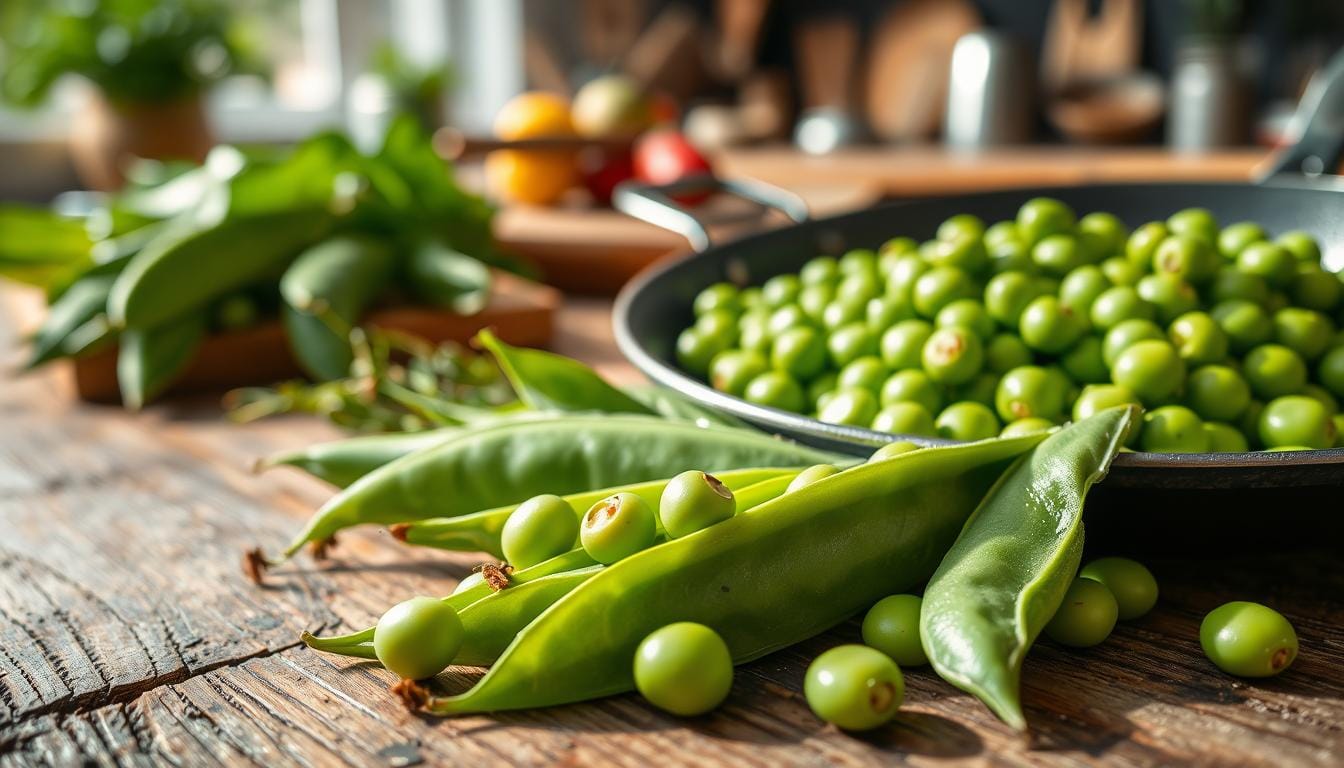
How to cook sweet peas: a healthy recipe
Finding the right way to cook fresh veggies can change your meals. If you’re looking for a simple, healthy side dish, learning to cook sweet peas is a great skill. These green veggies add a burst of flavor and important vitamins to your diet.
In this guide, we’ll show you a healthy recipe that keeps sweet peas fresh and tasty. You’ll learn how to keep their bright color and crunchy texture. This method works for both new cooks and experienced ones, ensuring a tasty dish every time.
This healthy recipe makes a light, plant-based side dish perfect for any meal. Using fresh ingredients and quick cooking, you can improve your cooking. Let’s find out how to make the most of your sweet peas today.
Table of Contents
Key Takeaways
- Learn the best techniques to preserve nutrients while cooking.
- Discover how to maintain a vibrant color in your vegetables.
- Understand the health benefits of incorporating fresh greens into your diet.
- Master a quick and efficient cooking method for busy weeknights.
- Gain confidence in preparing simple, plant-based side dishes.
Understanding the difference between culinary and ornamental peas
Peas come in many types, but knowing which ones are safe to eat is key. Culinary and ornamental peas belong to the same family but have different uses. They look and grow differently too.
Culinary peas are grown for their tasty seeds and pods. They are full of nutrients. Ornamental peas, known as sweet pea flowers, are grown for their bright colors and sweet smell. They are loved in gardens and for decorating.
Identifying edible garden peas
Edible garden peas have tender pods and a sweet taste. They are picked when young. You can eat them shelled or whole, depending on the type.
To spot edible peas, look for plump, tender pods. They should be free from damage. The peas inside should be sweet, not starchy.
The toxicity of ornamental sweet pea flowers
Sweet pea plants are pretty but not safe to eat. They have toxic compounds that can harm you. These compounds can cause health problems.
It’s important to tell edible peas from ornamental ones. This way, you avoid eating something toxic by mistake.
Why you should never eat decorative sweet pea plants
Eating sweet pea plants can make you sick. You might feel nauseous, vomit, or have stomach pain. In bad cases, it could be worse.
So, keep ornamental peas out of your kitchen. Use them only for decoration, not for eating.
Nutritional benefits of sweet peas
Sweet peas are not just tasty but also very nutritious. They are full of important nutrients that help keep your diet balanced. Adding sweet peas to your meals can greatly improve your health.
Vitamins and minerals in every serving
Sweet peas are packed with vitamins and minerals. They are especially high in vitamin K, which is key for blood clotting and strong bones. They also have a lot of vitamin C, an antioxidant that protects cells and boosts the immune system.
They also have manganese and copper, important minerals. Manganese helps with bone health and metabolism. Copper is vital for making red blood cells and keeping tissues healthy.
Fiber content and digestive health
Sweet peas are a good source of dietary fiber. Fiber is essential for a healthy digestive system. It helps with regular bowel movements and prevents constipation.
Eating sweet peas can help you get enough fiber. This supports a healthy gut and overall well-being.
Antioxidant properties of green peas
Green peas, like sweet peas, have antioxidants that protect the body. These include polyphenols and carotenoids. They can reduce inflammation and may lower disease risk.
The antioxidants in sweet peas make them great for a healthy diet. They help prevent chronic diseases and promote overall health.
Selecting the best sweet peas for your kitchen
Finding the right sweet peas is key to a tasty dish. There are many types, each with its own traits. Knowing these differences helps you choose wisely.
Distinguishing Between Shelling, Snap, and Snow Peas
Sweet peas come in shelling, snap, and snow varieties. Each has its own look and use.
| Type of Pea | Description | Best Use |
|---|---|---|
| Shelling Peas | These peas are picked when the peas inside are mature and tender. | They’re perfect for soups, stews, and casseroles. |
| Snap Peas | Snap peas have plump pods and are eaten whole, including the pod. | They’re great in salads, stir-fries, and as a crunchy snack. |
| Snow Peas | Snow peas have flat pods with very small peas inside. | They’re ideal for stir-fries and sautés. |
Culinary experts say, “Sweet peas are versatile and loved worldwide.”
“Sweet peas bring sweetness and freshness to any dish, loved by chefs and home cooks.”
How to Spot the Freshest Produce at the Market
Look for bright green, firm sweet peas at the market. Steer clear of wilted or old-looking ones.
Storage Tips to Maintain Peak Sweetness
Keep sweet peas fresh in a cool, dry spot or fridge. For the best taste, eat them within a day or two.
Tip:
To store them longer, blanch and freeze sweet peas. This keeps their sweetness and texture.
Essential preparation techniques for fresh peas
To enjoy your sweet peas to the fullest, proper preparation is key. It boosts their taste, texture, and health benefits. Whether you grow them yourself or buy them, the right steps make a big difference.
Washing and Cleaning Your Harvest
First, wash and clean your sweet peas. Rinse them under cold water to get rid of dirt. For peas you grow, shake off dirt and toss out any bad pods.
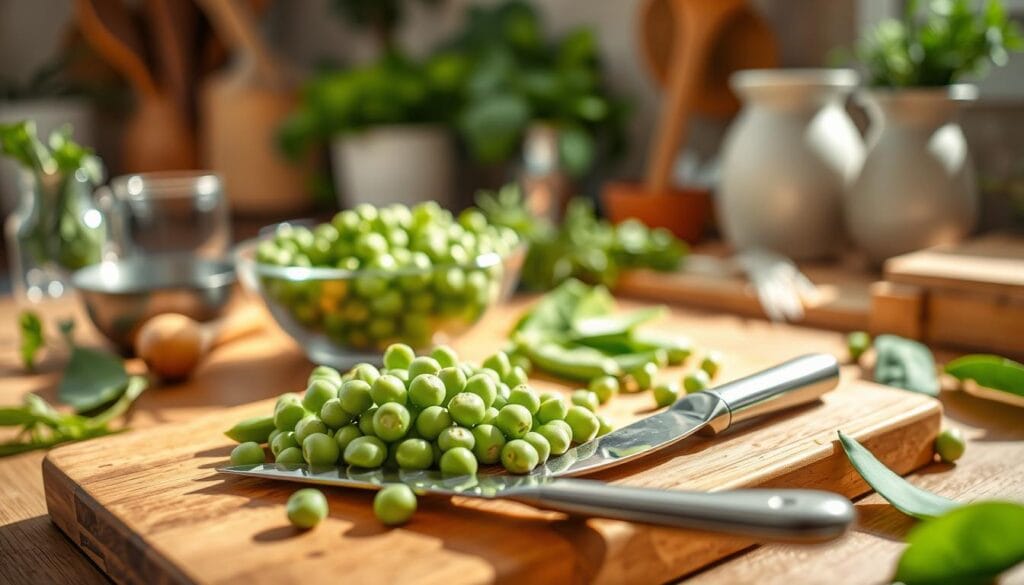
The Art of Shelling Peas Efficiently
Shelling peas might seem hard, but it’s easier with the right method. Start by snapping the stem end and pulling it down to open the pod. Then, use your finger or thumb to get the peas out.
| Type of Pea | Shelling Method | Tips |
|---|---|---|
| Shelling Peas | Remove peas from the pod | Use the stem end to open the pod |
| Snap Peas | Eat whole or snap into pieces | Trim the ends if necessary |
| Snow Peas | Remove the stem and strings | Use in stir-fries or salads |
Blanching to Preserve Color and Texture
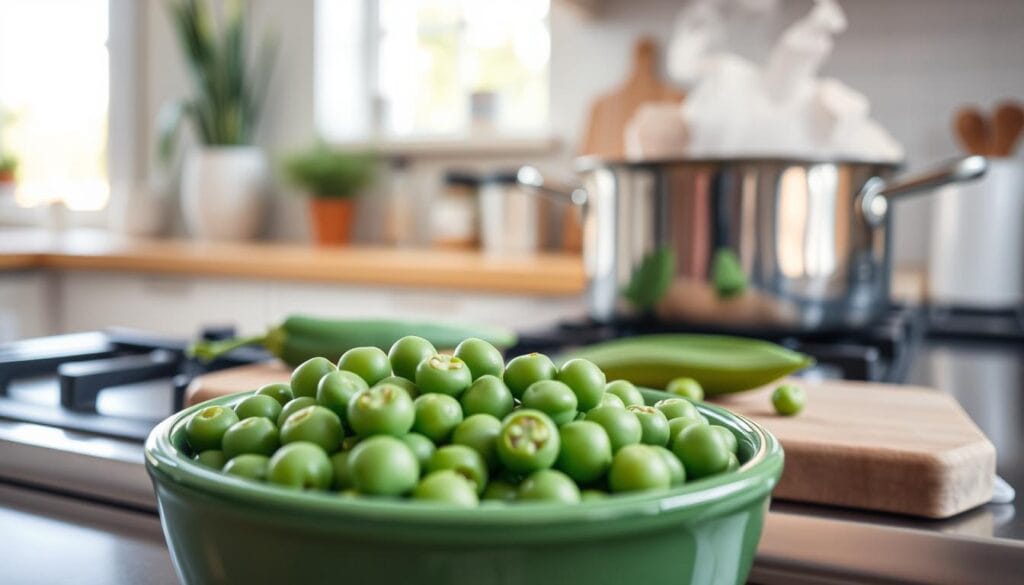
Blanching is a quick way to keep your peas looking and feeling great. To blanch, boil the peas for 1-2 minutes, then cool them down in an ice bath.
Benefit: Blanching keeps the peas’ color bright and their texture crunchy.
How to cook sweet peas: a healthy recipe
Cooking sweet peas is easy and brings out their natural sweetness. You’ll need a few simple ingredients and basic steps to get started.
Gathering your ingredients
To cook sweet peas, you’ll need the peas, salt, and optional butter or olive oil for flavor. You might also want garlic or mint to add more taste.
| Ingredient | Quantity |
|---|---|
| Sweet peas | 1 cup |
| Salt | To taste |
| Butter or olive oil | Optional |
| Aromatics (garlic, mint) | Optional |
Step-by-step cooking instructions
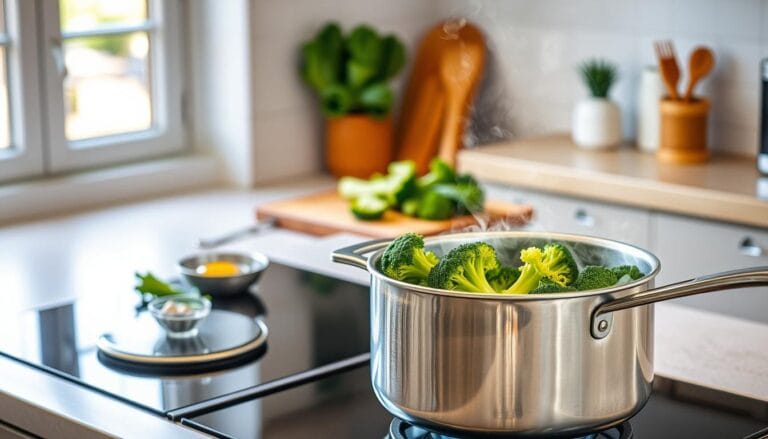
Start by boiling a pot of salted water. Add the sweet peas and cook until they’re tender but still crisp. This should take about 2-3 minutes for fresh peas.
After cooking, drain the peas and cool them in an ice bath. This stops the cooking and keeps their color. If you want, add butter or olive oil and aromatics for extra flavor.
Adjusting cooking times for different varieties
Different sweet peas cook at different times. Fresh peas cook faster than older or frozen ones.
| Sweet Pea Variety | Cooking Time |
|---|---|
| Fresh shelling peas | 2-3 minutes |
| Fresh snap peas | 1-2 minutes |
| Frozen peas | 3-5 minutes |
By following these steps and adjusting cooking times, you can enjoy delicious and healthy sweet peas in your meals.
Flavor pairings and seasoning ideas
To make your sweet peas taste their best, try adding herbs and healthy fats. Sweet peas are naturally sweet and tender. They’re great in many dishes. The right flavors can make them even more delicious.
Classic Herbs that Complement Sweet Peas
Herbs like mint, basil, and parsley go well with sweet peas. They bring freshness and depth to the dish. You can use them fresh or dried, depending on your taste.
Using Healthy Fats like Olive Oil and Butter
Healthy fats like olive oil and butter add flavor and help your body absorb vitamins from peas. Olive oil pairs well with garlic and herbs. Butter adds a rich, creamy taste.
Adding Brightness with Citrus and Zest
Citrus zest and juice can brighten up your sweet pea dishes. Lemon zest is especially good with peas. Just grate some lemon zest over your peas or squeeze a bit of lemon juice.
Here’s a quick guide to some popular flavor pairings for sweet peas:
| Flavor Component | Pairing Suggestions |
|---|---|
| Sweet Peas | Mint, Basil, Lemon Zest |
| Olive Oil | Garlic, Herbs (like thyme or rosemary) |
| Butter | Salt, Pepper, Fresh Parsley |
Tips for growing sweet peas in your home garden
Sweet peas are a gardener’s delight. They offer edible pods and fragrant flowers that can make any garden better. To get a good harvest, start with the right foundation.
Choosing the Right Sweet Pea Varieties for Your Climate
Picking the right sweet pea variety is key to a great garden. Different climates need different types of sweet peas. In warm areas, choose heat-tolerant varieties. In cooler places, pick ones that grow fast to avoid summer heat.
Think about the days to maturity when picking a variety. Some sweet peas are ready in 50 days, while others take 70 days or more. Make sure the variety you choose fits your growing season.
Best Practices for Sweet Pea Seeds and Planting
Planting sweet pea seeds is all about timing and technique. In most areas, early spring or late summer is the best time. Make sure the soil is well-draining and rich in organic matter.
Sweet peas love cool, moist places. Soaking seeds overnight before planting can help them grow. Plant them 1 inch deep and 2-3 inches apart in full sun to partial shade.
Ongoing Sweet Pea Care and Maintenance
After planting, caring for sweet peas is easy. Keep the soil moist, especially when it’s dry. Regular watering is key, but don’t overdo it to avoid root rot.
As plants grow, use a trellis or climbing structure for support. This keeps the plants neat and improves air circulation, reducing disease risk.
“The secret of a successful garden is not just in the planting, but in the attention given to the details of care and maintenance.”
By following these tips and watching your garden closely, you’ll get a big harvest of sweet peas.
Common mistakes to avoid when cooking peas
Cooking sweet peas right is key to enjoying their flavor and texture. It’s a delicate process that keeps their nutrients and taste intact.
There are several common mistakes to watch out for when cooking sweet peas. Knowing these can greatly improve your dish.
Overcooking and losing nutritional value
One big mistake is overcooking sweet peas. Overcooking can make them lose their color and nutrients. Sweet peas are packed with vitamins and minerals, and heat can damage them.
To avoid this, cook them for just 2-3 minutes. This is enough to make them tender.
Improper seasoning timing
Another mistake is adding salt or acidic ingredients too soon. It’s best to season sweet peas towards the end of cooking. This way, you get the flavors right without making them tough.
Failing to shock peas in ice water
Not shocking peas in ice water after cooking is a big mistake. Shocking them in ice water stops the cooking and keeps them tender and colorful. This step is essential for perfect sweet peas.
By avoiding these mistakes, you can enjoy sweet peas that are tasty and full of nutrients.
Conclusion
Incorporating sweet peas into your diet is a tasty and healthy move. Knowing the difference between culinary and ornamental peas lets you enjoy their nutritional perks safely.
With a simple recipe, you can highlight the natural sweetness of sweet peas. They’re great as a side dish or in your favorite meals. Sweet peas add flavor and variety to many dishes.
Growing sweet peas at home is rewarding, giving you fresh peas. Follow the tips in this article to enjoy their flavor and health benefits.