Feel Calm Instantly: 5 Herbs for Stress and Anxiety
Modern life is fast-paced, leaving many searching for ways to manage stress. When things get too much, we look for quick ways to feel calm instantly. Natural solutions offer a gentle way to support our mental health without harsh side effects.
Botanical allies can help restore balance in our nervous system. These plants have been used for centuries to help the body deal with stress and keep a steady mind. Adding these herbs to your routine can strengthen your emotional health.
This guide looks at five herbs that can help you find peace. You’ll learn how each plant works with your body to promote relaxation and focus. By the end, you’ll know how to keep your inner peace no matter what the day brings.
Table of Contents
Understanding the Physiology of Stress and Anxiety
Understanding how your body handles stress is key to finding peace. Your body has a smart alarm system that goes off when it senses danger. Knowing how this works helps you know when to use stress relief methods to feel better.
The Fight or Flight Response Explained
When you face stress, your body’s fight or flight system kicks in. It releases hormones like adrenaline and cortisol. These hormones get your muscles ready and focus your mind to help you get through danger.
But today, this system can go off even when there’s no real danger. Your brain might see a tight deadline or a traffic jam as a big threat. This keeps your body always on high alert. That’s why finding ways to manage stress relief methods is so important.
How Chronic Stress Impacts Your Long-Term Health
While the stress response is good in short bursts, it’s bad when it lasts too long. High levels of cortisol can harm your body over time. It can weaken your immune system and raise your risk of heart problems.
Staying on top of stress is key to avoiding these health issues. By calming your nervous system, you protect your heart and help your body heal. Taking care of yourself today keeps you strong against life’s stresses.
How Herbal Remedies Help You Feel Calm Instantly
Nature offers powerful tools to help you feel calm instantly when life gets tough. These botanical allies work with your body’s systems to keep balance. This makes it easier to handle daily stress and stay focused.
The Role of Adaptogens in Stress Management
Adaptogens are special herbs that help your body fight stress. They adjust your stress response to keep you balanced, even when things get chaotic. Adding these plants to your routine helps your body stay strong.
“The greatest weapon against stress is our ability to choose one thought over another, supported by the wisdom of the natural world.”
Bioavailability and Speed of Action in Herbal Teas and Tinctures
How you take herbs affects how fast you feel their benefits. Bioavailability is how much of the herb’s active part gets into your blood. Picking the right way to take it is key for instant calm during stressful times.
Tinctures are more concentrated and work faster than teas. While teas offer a calming ritual, tinctures give quicker relief. Knowing these differences helps you pick the best option for your needs.
| Delivery Method | Absorption Speed | Primary Benefit |
|---|---|---|
| Herbal Tinctures | Very Fast | High potency and convenience |
| Herbal Teas | Moderate | Hydration and calming ritual |
| Capsules | Slow | Consistent, long-term support |
Choosing the right way to take herbs helps manage your nervous system. This lets you find instant calm when needed. Regular use of these natural tools helps you stay calm and peaceful all day.
Ashwagandha for Cortisol Regulation
Adding ashwagandha to your daily routine can change how you handle stress. This ancient root is a strong adaptogen. It helps your body stay balanced when things get tough. It’s a top quick calm down tip for dealing with ongoing stress.
Scientific Evidence Supporting Ashwagandha
Studies show ashwagandha lowers cortisol levels. People who take it feel less stressed and anxious. Regular use is key to feeling these benefits.
Recommended Dosages for Daily Stress Relief
Finding the right dose is crucial. Most studies suggest 300 mg to 600 mg of root extract daily. Start with a small dose to see how you react before increasing.
Forms of Consumption: Capsules vs. Powders
Choosing between capsules and powders depends on your lifestyle and taste. Capsules are easy to use and dose perfectly for those always on the move. Mixing ashwagandha powder into warm milk or smoothies can be a calming ritual.
| Feature | Capsules | Powders |
|---|---|---|
| Ease of Use | High | Moderate |
| Taste | Neutral | Earthy/Bitter |
| Portability | Excellent | Limited |
Consistency is key, no matter the form. These quick calm down tips aim to make ashwagandha easy to add to your life. Pay attention to how you feel and adjust your routine for better mental health.
Chamomile for Immediate Nervous System Soothing
When your day feels too much, nature offers a gentle way to find balance. Chamomile is a trusted remedy for your nervous system. It helps you calm down during stressful times.
Adding this herb to your daily routine gives you a reliable way to find instant calm. It’s a key tool for managing stress.
The Apigenin Connection to Relaxation
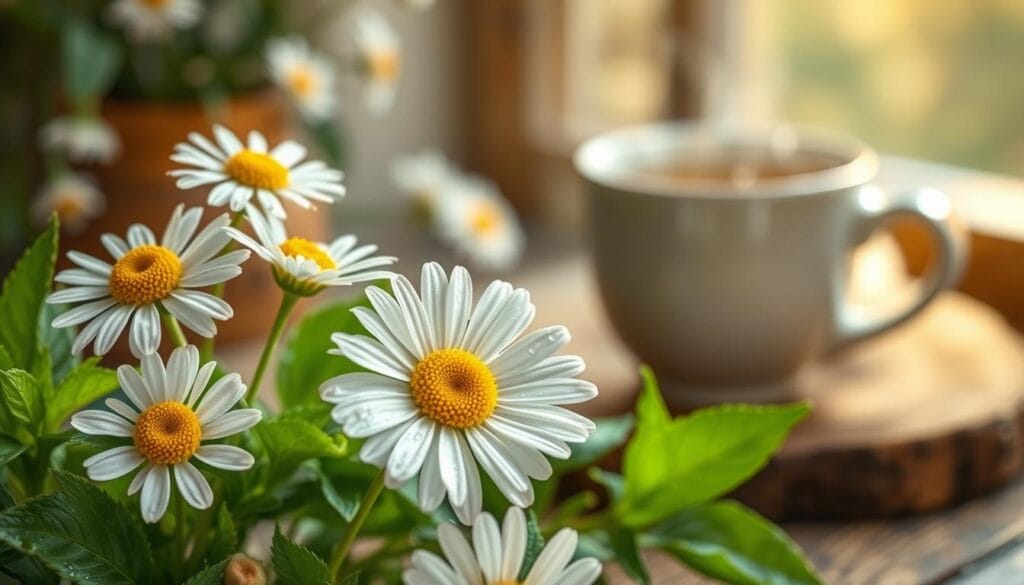
Chamomile’s power comes from a compound called apigenin. This antioxidant connects with your brain’s receptors. It helps lower anxiety and brings immediate relaxation.
Apigenin works with GABA receptors to calm your nervous system. This is why many people feel calm after drinking a warm chamomile tea.
“Nature does not hurry, yet everything is accomplished.”
Brewing the Perfect Cup for Maximum Potency
To get the most from chamomile, how you brew it matters. Don’t use boiling water, as it can destroy the plant’s oils. These oils are what make the tea work.
Use hot water around 190°F. Pour it over your flowers and cover the cup right away. Covering your tea keeps the good stuff in. Let it steep for at least ten minutes for the best effect.
Combining Chamomile with Other Calming Rituals
Make your tea even more effective by adding calming activities. Drink it in a quiet spot and breathe deeply. This tells your body it’s safe.
Adding soft music or gentle stretches makes the experience even better. These habits help you stay calm, even when life gets busy.
Lemon Balm for Cognitive Relaxation
Learn how lemon balm is a gentle aid for your mind. Known as Melissa officinalis, it’s been helping people think clearly for ages. It’s great for feeling calm instantly without making you sleepy.
Improving Mood and Reducing Mental Fatigue
Lemon balm works by affecting your brain’s GABA receptors. This action helps calm your stress response. It’s key for reducing mental fatigue after a tough day.
Many people notice a big mood boost after using it. It clears the “brain fog” from stressful times. Your focus will improve as your nerves calm down.
How to Use Lemon Balm for Rapid Stress Relief
Adding lemon balm to your routine is easy and effective. For rapid stress relief, a strong tincture is best. Mix a few drops with water or tea for quick mood improvement.
For a more classic method, make a strong tea with dried leaves. Steep them in hot water for ten minutes to get the oils. This calming ritual can make you feel calm instantly as you enjoy the scent.
Growing and Harvesting Your Own Lemon Balm
Growing your own lemon balm means you get the freshest leaves. It’s a hardy perennial that grows well in most soils or pots. It likes partial shade and regular water to grow best.
To pick, cut the stems just before they flower. This is when the leaves have the most oils. Dry the leaves in a cool, dark spot to keep their power for your daily use.
Passionflower for Reducing Mental Chatter
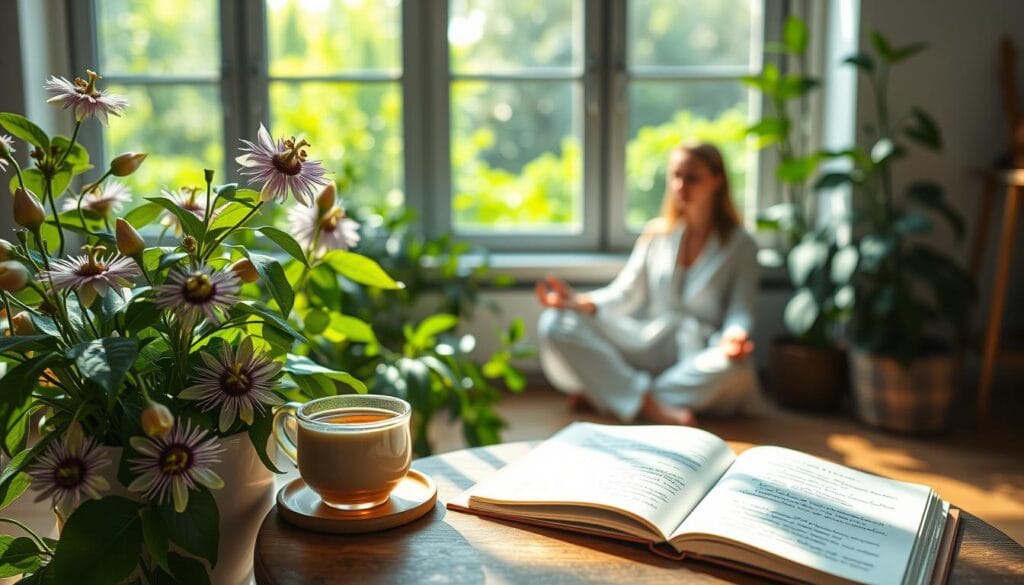
Looking for quick calm down tips? Try traditional herbs like passionflower. This beautiful vine is known for calming the mind during stressful days. It helps you move from feeling agitated to peaceful.
Calming the Overactive Mind
Passionflower boosts GABA in your brain. GABA is a neurotransmitter that lowers brain activity. This makes you feel relaxed and less anxious. It stops the constant worries that keep you up at night.
Traditional Uses and Modern Applications
Indigenous cultures used passionflower for restlessness and nervousness. Today, it helps with the fast pace of life. Herbalists suggest it in tinctures or teas for a gentle sedative effect without the side effects of synthetic sleep aids.
Safety Considerations for Nighttime Use
Passionflower is usually safe, but start with a small dose. It can make you sleepy, so use it in the evening. Remember, consistency is key for lasting calm. Always talk to a healthcare provider if you’re on other anxiety or sleep meds.
Lavender for Rapid Sensory Calm
Need immediate relaxation? Lavender’s scent is a powerful tool for your nervous system. It can make your brain feel peaceful in seconds. Adding this herb to your daily routine helps manage stress.
Aromatherapy and the Limbic System
Your sense of smell connects to your brain’s emotional center. When you smell lavender, it sends signals to calm your heart and blood pressure. This way, you can feel instant calm easily.
Using Lavender Essential Oil for Immediate Relaxation
For the best results, use high-quality essential oils. A few drops on a tissue or in a diffuser can bring tranquility. It’s perfect for rapid stress relief at work or while traveling.
Topical Applications for Physical Tension
Applying lavender oil to your skin can also help. Mix it with a carrier oil to avoid skin irritation. Massaging it into your temples, neck, or shoulders can soothe your body and mind.
| Application Method | Primary Benefit | Best Use Case |
|---|---|---|
| Inhalation | Emotional balance | Rapid stress relief |
| Pulse Point Massage | Physical soothing | Muscle tension |
| Diffuser | Environmental calm | Home or office |
Integrating Herbs into Your Daily Relaxation Strategies
Being consistent is key to feeling calm and emotionally strong. Regularly using calmness techniques helps your body and mind find balance. This creates a strong base for your well-being, even on tough days.
Creating a Consistent Herbal Routine
Linking your herbal use to daily habits is the best way to keep up. For instance, have your morning tea with journaling or your evening tincture by your lamp. This makes your relaxation strategies a natural part of your life.
Make sure your herbs are easy to find. This way, you won’t forget to use them, even when life gets busy.
Timing Your Intake for Optimal Results
Knowing when to take certain herbs can really help. Morning is for herbs that boost focus and energy. Evening is for calming herbs to help you sleep well. Using herbs with your body’s natural rhythm makes them more effective.
Here’s a simple guide to help you plan your daily herbal use:
| Time of Day | Goal | Suggested Focus |
|---|---|---|
| Morning | Mental Clarity | Adaptogens for steady focus |
| Afternoon | Stress Reduction | Mild nervines for tension relief |
| Evening | Deep Relaxation | Sedative herbs for sleep prep |
By following this plan, you can manage stress better. Remember, calmness techniques need patience and purpose. With time, these relaxation strategies will make you stronger and more peaceful.
Safety Precautions and Consulting Healthcare Professionals
Your health is the most important thing when looking at stress relief methods. Many herbs are gentle, but they can still cause unexpected reactions. Always check each herb before adding it to your routine.
Potential Interactions with Prescription Medications
Herbal supplements can change how your body handles drugs. Some herbs might make drugs work faster or slower. This could make drugs less effective or cause more side effects. Be careful if you take blood thinners, antidepressants, or sedatives.
Tell your doctor about any herbal supplements you use. This helps make sure your stress relief methods won’t harm your treatment plan. Never stop taking prescribed drugs without talking to your doctor first.
Identifying Allergic Reactions and Sensitivities
Even natural things can cause problems for some people. Signs of a sensitivity include skin rashes, hives, or stomach issues after taking something. If you see these signs, stop using it right away and watch how your body reacts.
Start with a tiny amount when trying a new herb. This lets you see how you react before taking more. Keeping a journal of what you take can help you spot patterns and possible problems.
| Safety Category | Action Required | Risk Level |
|---|---|---|
| Medication Use | Consult your doctor | High |
| New Supplements | Start with low doses | Low |
| Allergic History | Check ingredient labels | Moderate |
When to Seek Professional Medical Advice
If you have health issues like liver or kidney disease, get professional advice. These organs handle many substances, and herbs could strain them. Pregnant or nursing women should also talk to a specialist before trying stress relief methods.
If you’re going to have surgery, tell your doctors about all supplements you’re taking. Some herbs can affect blood clotting or interact with anesthesia. Professional medical advice is the best way to keep your wellness journey safe and effective.
Combining Herbs with Other Calmness Techniques
Herbs are a great start for your wellness. But, mixing them with other practices makes them even stronger. By using a mix of calmness techniques, you can keep your mind and body balanced.
Deep Breathing Exercises to Enhance Herbal Effects
Deep breathing connects your body and mind. It helps you relax when you’re stressed. This combo is a top relaxation strategy for quick calm.
Take slow, deep breaths for five minutes after drinking herbal tea. This boosts how well your body absorbs the herbs’ calming effects. Focusing on your breath lets the herbs work better, without your mind racing.
Mindfulness Meditation and Herbal Support
Mindfulness meditation helps you watch your thoughts without judgment. It matches well with herbs’ calming effects. This combo builds emotional strength over time.
Even a short, ten-minute meditation can enhance your herbal routine. It helps you connect with your natural support system.
Physical Movement for Releasing Stored Stress
Stress often shows up as muscle tension. Gentle activities like yoga or walking can help release this tension. Combining these with herbs tackles both mental and physical stress.
| Technique | Primary Benefit | Best Paired With |
|---|---|---|
| Deep Breathing | Nervous system reset | Chamomile or Lavender |
| Mindfulness | Mental clarity | Lemon Balm |
| Gentle Yoga | Muscle tension release | Ashwagandha |
| Walking | Endorphin boost | Passionflower |
Being consistent is key to these relaxation strategies. By making these habits part of your day, you build a strong peace framework. Your path to calm is unique, and finding the right mix of calmness techniques will help you succeed.
Conclusion
Managing stress is easier with nature’s help. Using Ashwagandha, chamomile, lemon balm, passionflower, and lavender can lead to balance. These plants support your nervous system and help you deal with life’s stress.
Wellness is a journey that needs patience and attention. Begin by choosing one herb that fits your needs. Watch how your body reacts to these natural helpers over time.
Making small changes in your daily life can greatly improve your well-being. Make mental health a priority by adding these plant-based habits to your routine. Share your experiences to help others find peace too.
If you have questions, talk to a local health expert about dosages and interactions. Your dedication to self-care is key to a calm mind. Start your journey to peace today.