Fast Stress Relief: 5 Herbal Teas That Actually Work
In today’s fast-paced world, finding peace can seem like a luxury. You might feel overwhelmed by your daily tasks, leaving your mind tense. Luckily, nature has a simple answer that fits into your busy life.
Drinking a warm herbal tea is more than a cozy habit. It’s a practical and effective way to quickly ease stress. These teas have powerful compounds that calm your nervous system and clear your mind.
By picking the right herbs, you can turn your daily routine into a wellness practice. Adding these teas to your life gives immediate support for your mental health. Next, we’ll look at five herbs known for their calming effects and ability to balance your mind.
The Science Behind Herbal Teas and Stress Reduction
The secret to fast stress relief is in plant chemistry. Herbal tea brings bioactive compounds into your body. These compounds interact with your biology.
These natural substances, called phytochemicals, move through your blood to your nervous system. They bind to receptors that control your mood and emotions.
Many herbs affect neurotransmitters like GABA, which calms the brain. This helps you relax deeply and naturally.
Using these stress reduction strategies helps you handle daily stress. Knowing how these herbs work shows why they’re key for your well-being.
Choosing the right tea does more than warm you up. It supports your body’s balance under pressure. This scientific method offers a reliable way to reduce stress and improve emotional health.
Adding these stress reduction strategies to your life boosts your mental clarity. Nature’s power helps calm your mind and body when you need it most.
Understanding Your Body’s Response to Daily Pressure
Modern life often keeps your internal alarm bells ringing far longer than nature intended. When you encounter a threat, your body initiates the fight or flight response to keep you safe. This ancient mechanism floods your system with hormones like adrenaline and cortisol to prepare you for immediate action.
While this response is helpful during a true emergency, it becomes problematic when triggered by daily deadlines or traffic. Chronic activation of these hormones can lead to long-term health issues, including fatigue and weakened immunity. Finding effective fast stress relief is essential to help your body return to a state of balance.
Your body is quite vocal when it needs a break. You might notice physical signs such as muscle tension, shallow breathing, or a racing heart. Ignoring these signals often leads to burnout, which is why implementing proactive stress reduction strategies is vital for your well-being.
“The time to relax is when you don’t have time for it.”
To better manage these physiological shifts, it helps to compare how your body reacts to different types of pressure. The following table outlines the key differences between healthy, short-term stress and the damaging effects of chronic pressure.
| Feature | Acute Stress | Chronic Stress |
|---|---|---|
| Duration | Short-term | Long-term |
| Hormone Levels | Return to baseline | Consistently high |
| Body Impact | Increased focus | Systemic exhaustion |
| Recovery | Rapid | Requires intervention |
When you feel your cortisol levels rising, seeking fast stress relief becomes a priority. Simple habits, such as drinking herbal tea, can signal to your nervous system that it is safe to stand down. By recognizing these biological cues early, you can employ better stress reduction strategies to protect your long-term health.
Chamomile: The Classic Choice for Rapid Relaxation
For centuries, people have used chamomile to calm their nerves. This flower is more than a drink; it’s a trusted way to find quick stress relief tips. Adding it to your day can turn your space into a calm oasis in the midst of chaos.
Why Chamomile Works for Immediate Calm
Chamomile’s secret is a compound called apigenin. It works by binding to brain receptors, which can lower anxiety and help you sleep. This is why many see it as a top rapid stress relief method.
“The tea is a gentle hug in a mug, providing a quiet moment of reflection that helps the mind settle after a long day.”
How to Brew the Perfect Cup for Maximum Potency
To get the most from chamomile, how you brew it matters. Make sure to cover your mug or teapot to keep the essential oils in. This helps you get the most out of your tea.
Steep the flowers for at least five to seven minutes. This ensures the water pulls out all the good stuff. If you want a stronger tea, add more flowers instead of steeping it longer. This way, you get the best from every cup.
| Brewing Factor | Standard Method | Potency Boost |
|---|---|---|
| Water Temperature | 200°F (93°C) | Just below boiling |
| Steep Time | 3 Minutes | 7 Minutes |
| Covering | None | Always cover |
| Flower Amount | 1 Teaspoon | 1 Tablespoon |
Peppermint Tea: Refreshing Your Mind and Body
Peppermint tea is more than a tasty drink; it’s a powerful tool for relaxation. It offers a cooling effect that helps calm your thoughts. Adding it to your day is a great quick stress relief tip for those with busy lives.
The Role of Menthol in Muscle Relaxation
Peppermint’s effectiveness comes from its menthol content. This natural compound relaxes tight muscles. It helps your nervous system calm down.
Drinking a warm cup of peppermint tea can ease digestive issues caused by stress. It works on both your muscles and your stomach. Even a few sips can ease anxiety’s grip on your body.
Using Peppermint for Tension-Related Headaches
Tension headaches are common due to tight muscles and blood vessels. Peppermint tea helps by improving blood flow and easing headaches. Its aroma also clears your mind and reduces mental fatigue.
| Benefit Type | Primary Action | Result for You |
|---|---|---|
| Muscle Relief | Antispasmodic effect | Reduced physical tightness |
| Mental Clarity | Aromatic stimulation | Improved focus and calm |
| Headache Care | Vasodilation support | Lessened tension pain |
Lemon Balm: A Natural Way to Reduce Stress
Learn how lemon balm, a mint family member, can help you relax. Known as Melissa officinalis, it’s known for its calming effects. Its mild citrus taste makes it great for everyday use.
Historical Uses for Mood Enhancement
Herbalists have used lemon balm for centuries to uplift spirits and calm nerves. It was called the “gladdening herb” in medieval Europe. This herb can help you feel better on busy days.
Lemon balm works by connecting with your body’s natural calmness. It’s great for those feeling stressed by modern life. Adding it to your routine is a natural way to support your emotions.
Combining Lemon Balm with Other Calming Herbs
Blending lemon balm with other herbs can make stress relief remedies even stronger. This mix can be tailored to your needs. For example, adding chamomile to lemon balm can help you relax at night.
Here are some blends to try for relaxation:
| Herb Combination | Primary Benefit | Best Time to Use |
|---|---|---|
| Lemon Balm + Chamomile | Deep relaxation | Evening |
| Lemon Balm + Peppermint | Mental clarity | Afternoon |
| Lemon Balm + Lavender | Mood uplift | Anytime |
Try these blends to find what works best for you. Use organic dried leaves for the best results. These stress relief remedies are simple yet effective ways to care for your mind.
Valerian Root: Promoting Deep Calm and Better Sleep
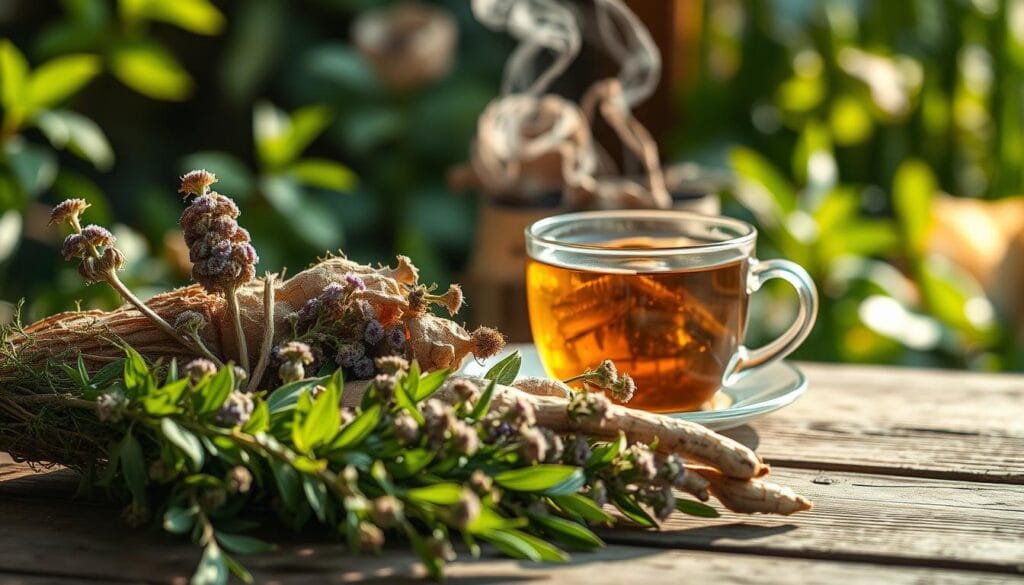
Getting deep, restorative sleep is key to feeling less stressed. When you’re always stressed, it’s hard for your body to relax. Valerian root is a powerful herb that helps you relax and sleep better.
Understanding the Sedative Properties of Valerian
Valerian root works by changing how your brain works. It affects the GABA receptors, which help you relax. This makes your mind calm and reduces anxiety.
“Sleep is the best meditation.”
This natural interaction makes it a top stress relief remedy for those who can’t sleep. It’s different from man-made options because it works with your body. It helps quiet your mind so you can sleep better.
Best Times of Day to Consume Valerian Tea
When you drink valerian tea is important. It’s best 30 to 60 minutes before bed. This lets the tea start working while you get ready for sleep.
Don’t drink it during the day because it can make you feel tired and unfocused. For rapid stress relief methods, use it only at night. Make it a part of your bedtime routine to help your body relax.
| Herb | Primary Benefit | Best Time to Use |
|---|---|---|
| Valerian Root | Deep Sedation | Before Bedtime |
| Chamomile | Mild Relaxation | Afternoon or Evening |
| Lemon Balm | Mood Support | Anytime |
Using these stress relief remedies at night can improve your sleep. Choose high-quality, organic options for the best results. Listen to your body and adjust how much you use to find what works for you.
Passionflower: A Potent Herb for Anxiety Management
If you’re looking for rapid stress relief methods, passionflower is a great choice. This climbing vine is known for calming the nervous system. It’s a natural way to find peace when you’re feeling overwhelmed.
How Passionflower Interacts with GABA Receptors
Passionflower works by changing your brain chemistry. It has special compounds that affect your GABA receptors. These receptors help control how excited your brain gets.
By boosting gamma-aminobutyric acid in your brain, passionflower reduces over-activity. This leads to a calming effect that helps you feel grounded. It’s a smart way to tackle anxiety’s physical signs.
“Nature has a way of providing exactly what we need to restore our inner balance when the world feels too loud.”
Dosage and Preparation Tips for Beginners
When you start using passionflower, safety and regular use are key. Experts recommend starting with a small dose to gauge your reaction. You can find stress relief remedies as dried leaves or tea bags.
To make a typical cup, steep one teaspoon of dried passionflower in hot water for ten minutes. Covering your mug helps keep the oils in the liquid. Always check the label to use the right amount for you.
Fast Stress Relief Through Mindful Tea Rituals
Learn how tea can be a key quick stress relief tip. By focusing on your tea, you create a calm spot in a busy day.
As you make your tea, try relaxation exercises like watching the steam. Feel the warmth and smell the herbs. This helps you focus on now, away from stress.
“The act of drinking tea is a bridge between the chaos of the world and the quiet of the soul. When you pause to taste the warmth, you are not just drinking; you are reclaiming your peace.”
Adding mindfulness meditation to your tea time doesn’t need to be long. Just five minutes of paying attention to your tea can calm you down. This habit helps you stay in touch with your body before stress hits.
The table below shows how a regular tea break differs from a mindful one.
| Feature | Standard Tea Break | Mindful Tea Ritual |
|---|---|---|
| Primary Focus | Multitasking or scrolling | Sensory awareness |
| Mental State | Distracted and busy | Grounded and calm |
| Physical Benefit | Hydration only | Reduced muscle tension |
| Outcome | Temporary energy boost | Lasting mental clarity |
By using these stress relief techniques, you turn a simple habit into a powerful tool. You deserve quiet moments, and your tea ritual is a great way to get them.
Integrating Herbal Teas into Your Daily Routine
Starting small is key to reducing stress naturally. Making herbal tea a regular part of your day helps keep your mind calm. It’s all about making this simple act a habit for emotional balance.
Keep your tea supplies easy to find. Store your favorite teas in a spot you see every day. If you’re always on the go, carry a travel kit with you. These stress reduction strategies make sure you’re always ready to relax.
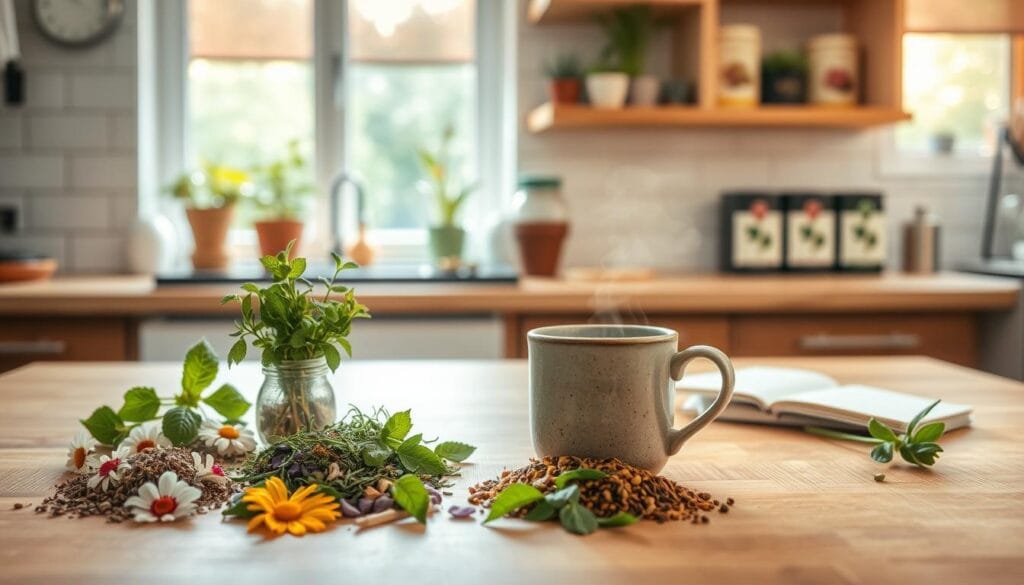
Drink tea when you’re most stressed. For example, have a tea break before a busy meeting. This helps you stay calm and focused during tough times.
Creating a routine takes time and effort. Try drinking tea while doing something else, like reading or deep breathing. This way, you make your natural ways to reduce stress a lasting part of your life.
| Time of Day | Goal | Recommended Tea |
|---|---|---|
| Morning | Gentle Awakening | Peppermint |
| Mid-Afternoon | Tension Relief | Lemon Balm |
| Evening | Deep Relaxation | Valerian Root |
Remember, these stress reduction strategies are for your long-term health. By taking quiet moments, you build strength against daily stress. Stick to your routine, and you’ll see your mood and focus improve.
Complementary Stress Management Techniques to Try
Turn your daily tea break into a wellness session with simple practices. Mix your favorite herbal tea with stress management techniques for a powerful approach. These habits help you fight the stress of modern life.
Breathing Exercises to Pair with Your Tea
Use the time waiting for your tea to practice relaxation exercises. Try “box breathing”: inhale for four seconds, hold for four, and exhale for four. This helps your body relax.
By focusing on your breath, you avoid worrying about your tasks. It makes waiting a deliberate act of self-care that enhances your tea’s calming effects.
Mindfulness Meditation for Long-Term Resilience
After drinking your tea, spend a few minutes on mindfulness meditation. It helps you watch your thoughts without judgment, building resilience. You don’t need a special place or tools to start.
Just sit comfortably and focus on the now. If your mind drifts, bring it back to your breath or the warmth in your hands. Regular practice of these stress relief techniques will help you stay calm in tough times. You’ll find you can handle pressure better with these daily efforts.
Safety Precautions and Choosing Quality Ingredients
When looking into natural ways to reduce stress, safety comes first. Herbal infusions are great, but the quality of your ingredients matters a lot. Make sure to choose products that have been tested for purity and strength.
Identifying High-Quality Organic Tea Sources
When buying herbs, check the labels for origin and processing. Certified organic products are safer because they’re grown without harmful chemicals. This means you avoid unwanted chemicals in your tea.
Good suppliers are open about their sources. Look for third-party testing on the packaging or their website. Choosing well-known brands is a smart move for your health.
When to Consult a Healthcare Professional
Natural remedies can still affect your health, especially if you’re on medication. If you’re taking blood thinners, sedatives, or antidepressants, talk to your doctor first. They can help make sure your stress relief techniques won’t harm your treatment.
If you’re pregnant or nursing, be extra careful with herbal supplements. Some herbs are too strong for everyone, even if they’re natural. It’s always better to be safe than sorry for your health.
| Quality Indicator | What to Look For | Why It Matters |
|---|---|---|
| Organic Certification | USDA Organic Seal | Avoids synthetic pesticides |
| Ingredient Purity | Single-origin sourcing | Reduces risk of contamination |
| Supplier Transparency | Third-party lab reports | Verifies potency and safety |
| Packaging Integrity | Airtight, light-proof bags | Preserves essential oils |
Conclusion
Nature has amazing tools to help us deal with today’s stress. Using chamomile, peppermint, lemon balm, valerian root, and passionflower in our daily lives is a great start. It helps us feel better emotionally.
These herbal teas are a good beginning for your wellness journey. You might find that combining a warm mug with certain stress management techniques works best. Trying out different blends helps you find what works best for you.
Adding simple relaxation exercises to your evening can make your tea even more soothing. Mindfulness meditation while enjoying your tea can also enhance the experience. These small steps help build strength against daily stress.
Your dedication to self-care is key, not just one solution. Keep exploring how different herbs affect your mood. You have the power to create a peaceful life by making thoughtful choices and using natural remedies.