

Natural Cure for Chest Congestion: 7 Herbal Solutions
Feeling a heavy, tight sensation in your lungs can really mess up your day. Many people look for a natural approach to ease this discomfort. They want to avoid relying too much on man-made medicines.
By using plant-based remedies, you can help your body heal in a soft and effective way. This method is kind to your body and supports its natural healing.
Looking into herbal solutions is a smart step for your health journey. These seven herbs have strong properties that can clear your airways and calm irritation. Learning how to use these herbs can help you take charge of your health and find relief from chest congestion.
Table of Contents
Understanding the Causes and Symptoms of Chest Congestion
When your bronchial tubes get inflamed, your body makes more mucus. This mucus traps irritants, but it can make you feel uncomfortable. As more mucus builds up, your airways get narrower, making it tough to breathe.
Spotting chest congestion symptoms early can help you feel better faster. You might cough a lot, bringing up thick phlegm, or feel tight in your ribcage. Many people also feel heavy or have trouble breathing, especially when lying down or doing light activities.
Knowing the chest congestion causes helps protect your lungs. Viral infections like the common cold or flu are common causes. But, things like cigarette smoke, air pollution, and strong chemicals can also cause problems.
Knowing what’s causing your symptoms helps you find the right treatment. By figuring out if it’s an infection or something else, you can pick the best herbal remedy. Early action is crucial to stop small issues from getting worse.
The Science Behind Herbal Remedies for Chest Congestion
Herbal medicine uses bioactive compounds to clear chest congestion. These natural substances work at a cellular level. They address the root causes of respiratory issues.
Many plants have volatile oils and flavonoids that act as natural expectorants. These compounds thin the mucus in your bronchial tubes. This makes it easier for your body to expel it.
These remedies also have strong anti-inflammatory properties. They reduce swelling in the airways. This helps ease the tightness caused by chest congestion.
Choosing herbs is based on centuries of observation and modern science. Scientists have found how plant molecules interact with your lungs. This interaction promotes better airflow.
Eucalyptus Oil for Respiratory Relief
Eucalyptus oil is a strong natural remedy for chest congestion relief. It has a compound called cineole, which helps clear mucus. Using this oil can make breathing easier.
How Eucalyptus Works on Your Airways
Inhaling eucalyptus oil vapors can reduce inflammation in your airways. It does this by making your cilia move more. This helps get rid of mucus, making breathing easier.
The oil also cools your nasal passages, easing irritation. Because it’s very strong, use it carefully. Diluting it right ensures you get the benefits without irritation.
Methods for Safe Inhalation
There are safe ways to use eucalyptus oil for better breathing. Steam inhalation is popular because it opens your airways. You can also use a diffuser to fill your room with the oil’s benefits.
| Method | Preparation | Best For |
|---|---|---|
| Steam Bowl | Add 2 drops to hot water | Targeted chest congestion relief |
| Diffuser | Follow device instructions | Continuous air purification |
| Chest Rub | Dilute in carrier oil | Soothing topical application |
Remember to keep your eyes closed when inhaling steam. If your skin is sensitive, test the oil first. These steps help you use eucalyptus oil safely and effectively.
Peppermint and Menthol for Clearing Airways
Menthol, found in peppermint, is great for your breathing. It cools your body and helps with breathing issues. Adding peppermint to your daily routine can help clear your chest all day.
The Role of Menthol in Mucus Thinning
Menthol interacts with cold-sensitive receptors in your nose and throat. This creates a cooling effect that makes breathing easier. It also makes thick mucus thinner, helping to clear your airways.
When mucus thins, it’s easier to cough it out. This is key for keeping your airways clear when you’re sick. You’ll find your cough gets more effective as congestion clears.
Using Peppermint Tea and Steam
Warm peppermint tea is a great way to use these benefits. The steam opens your nasal passages, while menthol works inside. Drinking this tea gives immediate, soothing relief for your irritated respiratory system.
For a more direct method, try steam inhalation with peppermint oil. Just add a few drops to hot water and breathe in the vapors. This is a reliable way to help with chest congestion relief when you’re feeling tight in your lungs.
Ginger Root as a Natural Anti-Inflammatory
Ginger root is a gentle yet effective way to ease chest tightness. It’s packed with bioactive compounds that soothe your respiratory system. Adding ginger to your daily routine can offer chest congestion relief without synthetic meds.
Reducing Inflammation in the Chest
Ginger is rich in gingerols and shogaols, powerful anti-inflammatory compounds. These help reduce swelling in your bronchial tubes. When these tubes swell, they narrow and trap mucus, making breathing hard.
Ginger reduces swelling, opening your airways for better airflow. This is key for chest congestion relief during colds. Regular ginger use can also calm the irritation that comes with a deep cough.
Preparing Fresh Ginger Infusions
Making a ginger infusion is easy with just a few ingredients. Peel a two-inch piece of ginger and slice it thinly. Put the slices in a pot with two cups of water and boil.
After boiling, lower the heat and simmer for ten minutes to extract the oils. Strain the liquid into a mug and add a teaspoon of raw honey for extra soothing. Drink this warm tea all day for ongoing chest congestion relief.
| Preparation Method | Primary Benefit | Best Use Case |
|---|---|---|
| Fresh Ginger Tea | Hydration and warmth | Daily maintenance |
| Raw Ginger Slices | High potency | Immediate throat soothing |
| Ginger Compress | External heat therapy | Deep chest tightness |
Thyme for Breaking Down Mucus
Thyme is a surprising natural remedy for chest congestion. It has volatile oils that target your respiratory system. Adding thyme to your daily routine helps clear mucus and eases breathing.

Antispasmodic Properties of Thyme
Thyme’s antispasmodic action is key to its effectiveness. Congestion tightens chest muscles, making coughing hard. Thyme relaxes these muscles, opening your airways.
It reduces muscle tension, making it easier to cough out mucus. This is crucial for clearing your lungs and avoiding irritation. Using thyme is a gentle way to manage symptoms without harsh chemicals.
Brewing Thyme Tea for Congestion
Making a strong thyme tea is easy. Start with one to two teaspoons of dried thyme leaves in a cup. Pour boiling water over the leaves and cover to keep in the oils.
Steep for ten minutes, then strain the liquid. Add a bit of honey for taste and throat soothing. Drinking this tea warm is a top natural remedy for chest congestion, easing your symptoms with each sip.
Licorice Root to Soothe Irritated Bronchial Tubes
Licorice root is a natural remedy for chest congestion. It has compounds that calm inflammation in the airways. Adding this root to your routine can ease chest tightness.
Demulcent Effects on the Throat and Chest
Licorice root is a strong demulcent. It forms a protective film over your mucous membranes. This film shields your bronchial tubes from irritation by dry air or pollutants.
This herb also hydrates your respiratory tissues. Moisture is key for healing and quick recovery from congestion. Regular use makes it a top natural remedy for chest congestion.
Precautions When Using Licorice Root
Be careful with licorice root, especially if you have health concerns. It contains glycyrrhizin, which can raise blood pressure and cause fluid retention. This is due to sodium retention and potassium loss.
If you have high blood pressure or heart issues, talk to your doctor first. Limit its use to short periods to avoid long-term risks. Following these precautions ensures you benefit from its soothing effects without harming your heart.
Oregano Oil for Antimicrobial Support
Oregano oil is a strong natural remedy for chest congestion. It’s a must-have in your home. This concentrated extract has powerful antimicrobial properties. It helps your body fight off respiratory invaders.
By adding this oil to your wellness routine, you boost your immune system. This is especially helpful during stressful times.
Carvacrol and Its Respiratory Benefits
The main active compound in oregano oil is carvacrol. This powerful phenol stops the growth of many bacteria and fungi. It affects your lungs.
Carvacrol reduces the microbial load in your respiratory tract. This helps when you’re dealing with congestion. It creates an environment where pathogens struggle to survive.
This compound acts as a natural shield. It lets your body heal and clear out mucus. Using this oil is a top natural remedy for chest congestion when used correctly.
Dilution and Application Guidelines
Oregano oil is very potent. You should never apply it directly to your skin or consume it undiluted. Always mix it with a carrier oil like olive or coconut oil.
A safe ratio is one drop of oregano oil to at least one teaspoon of carrier oil. For respiratory support, apply the diluted mixture to your chest or the soles of your feet. Make sure to do a patch test first to check for any sensitivity.
Safety is paramount when using such concentrated botanical extracts. Always follow these dilution protocols strictly.
Marshmallow Root for Cough Suppression
Feeling like your throat is raw and your chest is tight? Marshmallow root can help. It’s been used for centuries to soothe irritated tissues. Adding this herb to your routine can ease a dry, hacking cough.
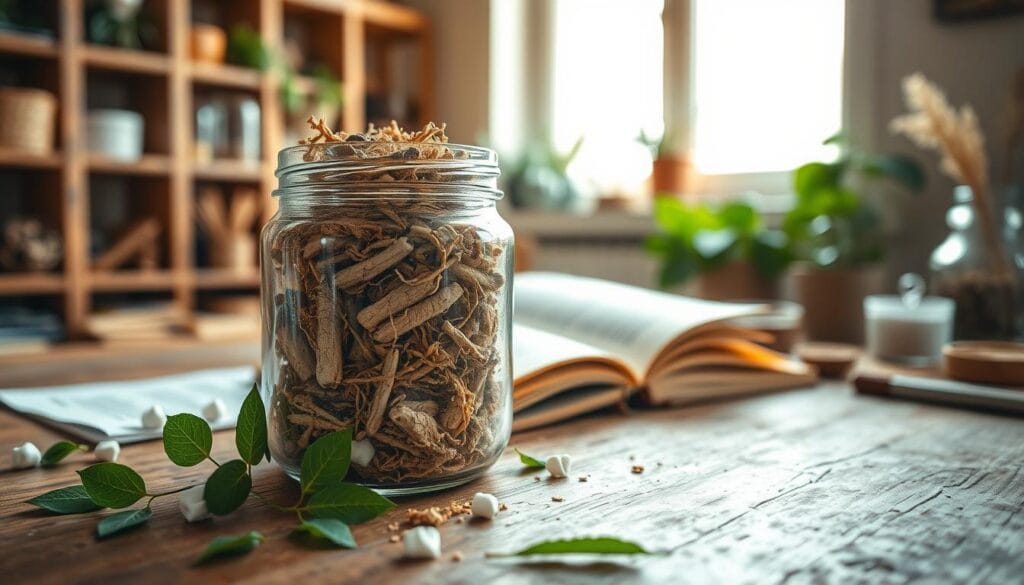
Coating the Throat and Bronchial Lining
Marshmallow root’s main benefit is its mucilage. This gel-like substance forms a protective film on your throat and bronchial lining. It reduces irritation and calms coughing, making it a top home remedy for chest congestion.
It works as a demulcent, offering quick relief to inflamed areas. This is especially helpful when you’re dealing with a lingering respiratory illness. It lets your body heal without the constant coughing.
Creating a Cold Infusion
To get the most from this herb, use cold infusion, not boiling. Boiling water can destroy the mucilage you need. Just put dried root in cool, filtered water and let it steep for hours or overnight.
This method ensures the water absorbs all the good stuff. After straining, you get a thick, soothing liquid. Drinking this regularly can greatly improve your comfort.
| Preparation Method | Best For | Key Benefit |
|---|---|---|
| Cold Infusion | Marshmallow Root | Preserves Mucilage |
| Hot Decoction | Ginger or Licorice | Extracts Essential Oils |
| Steam Inhalation | Eucalyptus or Thyme | Opens Airways |
Effective Ways to Use These Herbs at Home
Starting to manage your breathing comfort is easy with a few home tricks. By adding natural ingredients to your day, you can make a strong chest congestion treatment. These simple steps let you use nature’s power to help your breathing.
Steam Inhalation Techniques
Steam inhalation is a direct way to get herbal vapors into your airways. First, boil two cups of water and put it in a big, safe bowl. Add a few drops of essential oil or some dried herbs. Then, cover your head with a towel to trap the steam.
This method is a reliable way to clear chest congestion fast.
“Nature is the best physician, providing us with the tools we need to restore balance and comfort to our bodies.”
Keep your eyes closed to avoid irritation from the vapors. Breathe deeply for five to ten minutes, letting the warmth clear mucus. Using these home remedies for chest congestion often can greatly improve your comfort.
Herbal Tea Blending Strategies
Making your own herbal tea blends lets you tailor relief to your needs. Start with a base herb like ginger or thyme. Then, add other herbs to boost flavor and health benefits of your chest congestion treatment.
Steep your herbs in hot, but not boiling, water for at least ten minutes. This is key for getting the good stuff out of the herbs. Try different mixes to find what works best for you.
Remember, using home remedies for chest congestion regularly is important. Make fresh infusions all day to keep your airways soothed. These easy steps help you take charge of your breathing health.
When to See a Doctor for Persistent Chest Congestion
If your symptoms last too long, it’s time to see a doctor. You might want to try natural ways to clear your chest. But, your safety is the most important thing. Professional medical advice is key if you don’t feel better after a few days.
Identifying Warning Signs and Red Flags
Some signs mean your problem is more serious than just a cold. You need to see a doctor fast if you have severe difficulty breathing or chest pain. These are serious symptoms that need a doctor’s check-up right away.
Look out for a high fever that won’t go away, coughing up blood, or blue lips. Feeling dizzy or having a fast heart rate is also a warning sign. Prompt intervention can stop small problems from getting worse.
“The most important step in managing respiratory health is recognizing when the body’s natural defenses are overwhelmed and require clinical support.”
Distinguishing Between Common Colds and Serious Infections
Telling a cold from pneumonia can be hard. A cold usually has a runny nose and mild tiredness. But, pneumonia has deep, rattling coughs and extreme tiredness. If your chest congestion is heavy or painful, it might be an infection needing antibiotics.
The table below can help you figure out when to call your doctor:
| Symptom | Common Cold | Serious Infection |
|---|---|---|
| Fever | Rare or mild | High and persistent |
| Breathing | Normal | Shortness of breath |
| Duration | 3 to 7 days | Over 10 days |
Listen to your body. If you feel your illness getting worse, scheduling an appointment is the best choice. Your doctor can give you the right diagnosis and treatment.
Conclusion
Managing your breathing is key to staying healthy. You now have natural ways to help your lungs and clear your airways.
Adding herbal options to your daily life is a great start. It helps keep your airways open and improves your life quality.
Pay attention to how your body reacts to these remedies. This will help you find the best solution for you.
Keep herbs like eucalyptus, ginger, and thyme at home. They can make a big difference when you start feeling tightness or mucus.
Your health journey is about making smart choices and listening to your body. Share your success with others to help them too. Always look out for your health every day.